
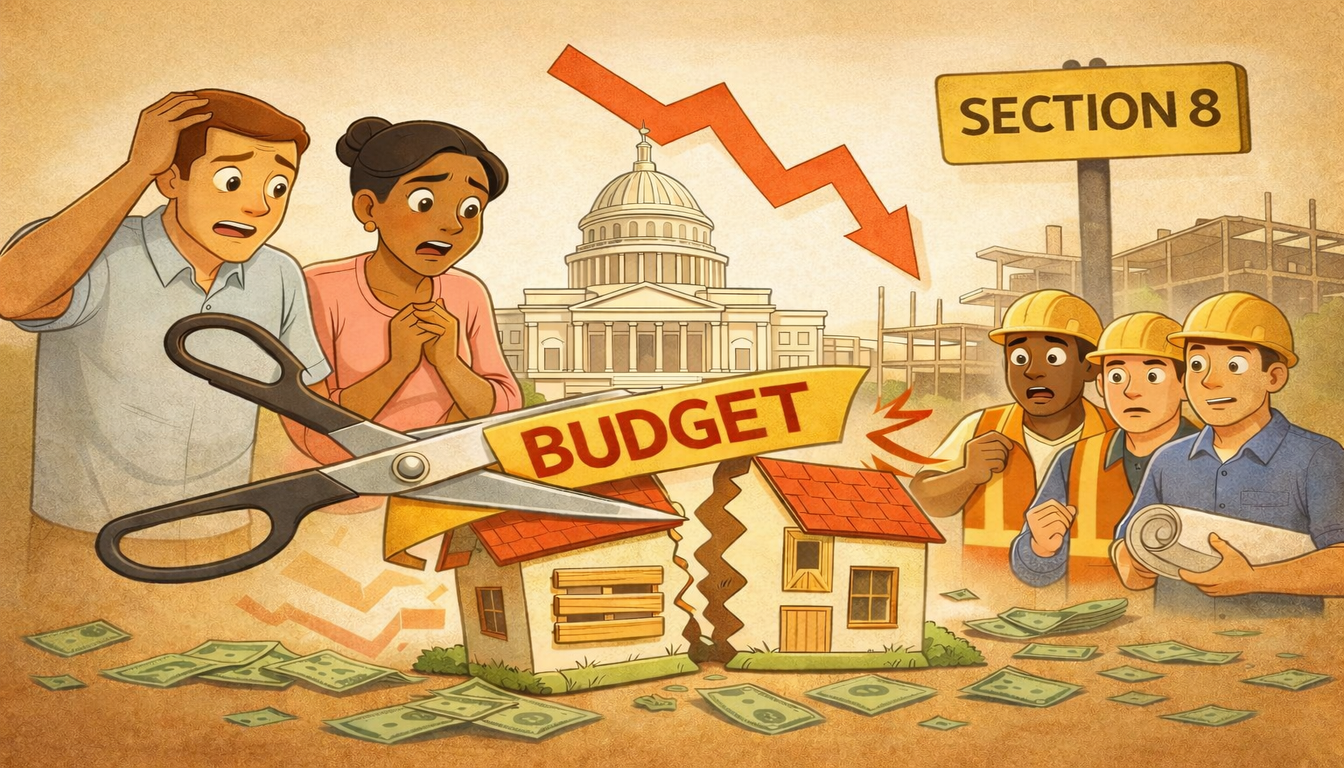
For millions of families across the United States, Section 8 is the difference between having a stable home and facing constant housing insecurity. Also known as the Housing Choice Voucher program, Section 8 helps low-income renters pay for housing in the private market. But as the country moves through 2026, growing concerns about proposed funding cuts are putting this critical program at risk.
Rising rents, tight housing supply, and higher living costs have already made it harder for families to stay housed. Now, possible reductions to Section 8 funding could make the situation even worse. This article explains what Section 8 is, why cuts are being discussed, how they could affect renters and communities, and why the issue matters now more than ever.
What Is Section 8 and Why It Matters
Section 8 is a federal program run by the U.S. Department of Housing and Urban Development. It helps low-income households afford rent by covering part of the monthly cost. Families usually pay about 30 percent of their income toward rent, and the voucher covers the rest, up to a set limit.
The program serves seniors, people with disabilities, veterans, and working families. According to HUD’s Housing Choice Voucher overview, only a portion of households who qualify actually receive help because funding is limited.
Without Section 8, many families would not be able to afford market rents at all.
Why Section 8 Is Under Pressure in 2026
Several factors are putting pressure on Section 8 funding. First, rents have risen sharply in many parts of the country. When rents go up faster than funding, vouchers do not stretch as far.
Second, operating costs for housing agencies have increased. Local public housing agencies manage Section 8 programs, and they face higher costs for staffing, inspections, and administration.
Finally, federal budget debates have raised concerns about keeping funding flat or making cuts. When funding does not keep up with rising costs, fewer families can be served.
The Congressional Budget Office has noted that housing assistance programs are sensitive to funding levels and economic changes, especially during periods of inflation.
What Proposed Cuts Could Look Like
Proposed cuts do not always mean ending the program, but they can still cause serious harm. Cuts may result in fewer vouchers being issued, lower payment standards, or stricter rules for families and landlords.
In some cases, housing agencies may be forced to stop issuing new vouchers or reduce the number of households they serve. Others may shorten the time families have to find housing before losing assistance.
The Government Accountability Office has reported that funding shortfalls often lead to program instability and uncertainty for both renters and housing providers.
How Renters Would Be Affected First
If Section 8 funding is reduced, renters would feel the impact almost immediately. Families could lose vouchers, face higher out-of-pocket rent costs, or struggle to find landlords who will accept assistance.
Many households using Section 8 already live paycheck to paycheck. Even a small increase in rent can make it impossible to stay housed. When assistance does not cover rising rents, families may be forced to move, double up with relatives, or face eviction.
Housing instability affects more than just where people live. Frequent moves can disrupt children’s education, make it harder for adults to keep jobs, and increase stress and health problems. Seniors and people with disabilities are especially vulnerable because they often have fixed incomes and fewer housing options.
Research shared by HUD User shows that stable housing is closely linked to better health, employment, and school outcomes. When vouchers are reduced or lost, these gains can disappear quickly.
Impact on Waiting Lists and New Applicants
Waiting lists for Section 8 are already long in most parts of the country. In many cities, lists are closed for years at a time because demand far exceeds available funding. Proposed cuts could make these delays even worse.
Local housing agencies may stop accepting new applications or delay helping families who have already been approved. Some agencies may issue vouchers but place families on hold until funding becomes available, creating uncertainty and frustration.
For people experiencing homelessness or housing instability, these delays can be devastating. Without access to rental assistance, many families remain stuck in unsafe or overcrowded housing.
According to data available through HUD User, only about one in four eligible households receives federal rental assistance. Cuts would further shrink this already limited safety net.
Communities and Local Governments Feel the Effects
Section 8 does not only help individual families. It also supports community stability. When families can afford rent, neighborhoods see fewer evictions, less homelessness, and better health outcomes.
If vouchers are reduced, cities and counties may see higher costs elsewhere. Emergency shelters, healthcare systems, and social services often bear the burden when housing assistance is cut.
Research from the Urban Institute shows that stable housing is closely linked to better outcomes for families and children.
Landlords and Housing Supply Challenges
Landlords play an important role in how well Section 8 works. When landlords accept vouchers, families gain access to more housing choices and more stable living situations.
However, many landlords are hesitant to participate in the program. Common concerns include rent limits that do not match market prices, delays in payment, and required inspections. When funding is cut and voucher values fall further behind real rents, even fewer landlords are willing to accept Section 8.
This creates a cycle where families have vouchers but cannot find housing. Strong funding helps keep landlords in the program and encourages more participation.
The U.S. Department of Housing and Urban Development has emphasized that landlord participation is key to the success of the Housing Choice Voucher program.
How This Connects to the Broader Housing Crisis
Section 8 funding cuts do not happen in isolation. They are part of a larger housing crisis that has been building for years. Across the country, rents have increased faster than wages, while the supply of affordable homes has not kept up with demand.
Many communities lack enough housing at lower price points. As a result, even families with steady jobs struggle to find housing they can afford. When assistance programs like Section 8 are weakened, these families have even fewer options.
We explore these wider challenges in our article on why affordable housing is facing a difficult year in 2026, which explains how rising costs, limited funding, and housing shortages are putting pressure on renters nationwide.
Cuts to Section 8 would likely increase homelessness and housing instability, placing additional strain on shelters, local governments, and nonprofit organizations that are already stretched thin.
What Could Help Protect Section 8
Protecting Section 8 requires stable funding that keeps pace with real housing costs. When voucher limits fall behind market rents, families are left with fewer choices, even if they receive assistance.
One helpful step is adjusting payment standards so vouchers better reflect local rent levels. This makes it easier for families to find homes and encourages more landlords to participate.
Reducing administrative barriers can also help. Simplifying inspections, speeding up payments, and offering landlord support can expand housing options for voucher holders.
Expanding affordable housing supply is another key piece. Without enough homes at lower price points, vouchers alone cannot solve the problem. Coordinated efforts between federal, state, and local governments are needed to strengthen the system.
Programs run by HUD work best when funding, rules, and housing supply are aligned with real-world conditions.
Final Thoughts
Section 8 has helped millions of Americans afford safe and stable housing. Proposed cuts threaten to weaken one of the country’s most important housing programs at a time when it is needed most.
As housing costs continue to rise, protecting rental assistance is not just a budget issue. It is about keeping families housed, supporting communities, and preventing homelessness.
Staying informed about Section 8 funding and policy changes is a crucial step toward ensuring that affordable housing remains within reach for those who need it most.
Navigating the Section 8 housing process can feel overwhelming, and that's where Section 8 Search comes in. We're more than just a listing website; we're a dedicated resource designed to make finding housing under the Housing Choice Voucher Program straightforward and stress-free. Our platform offers user-friendly tools to explore listings and waiting list statuses nationwide, all built on official HUD data. We're also passionate about providing clear, helpful information and guidance, empowering you with the knowledge you need to understand eligibility, complete your application, and confidently navigate your housing journey.