
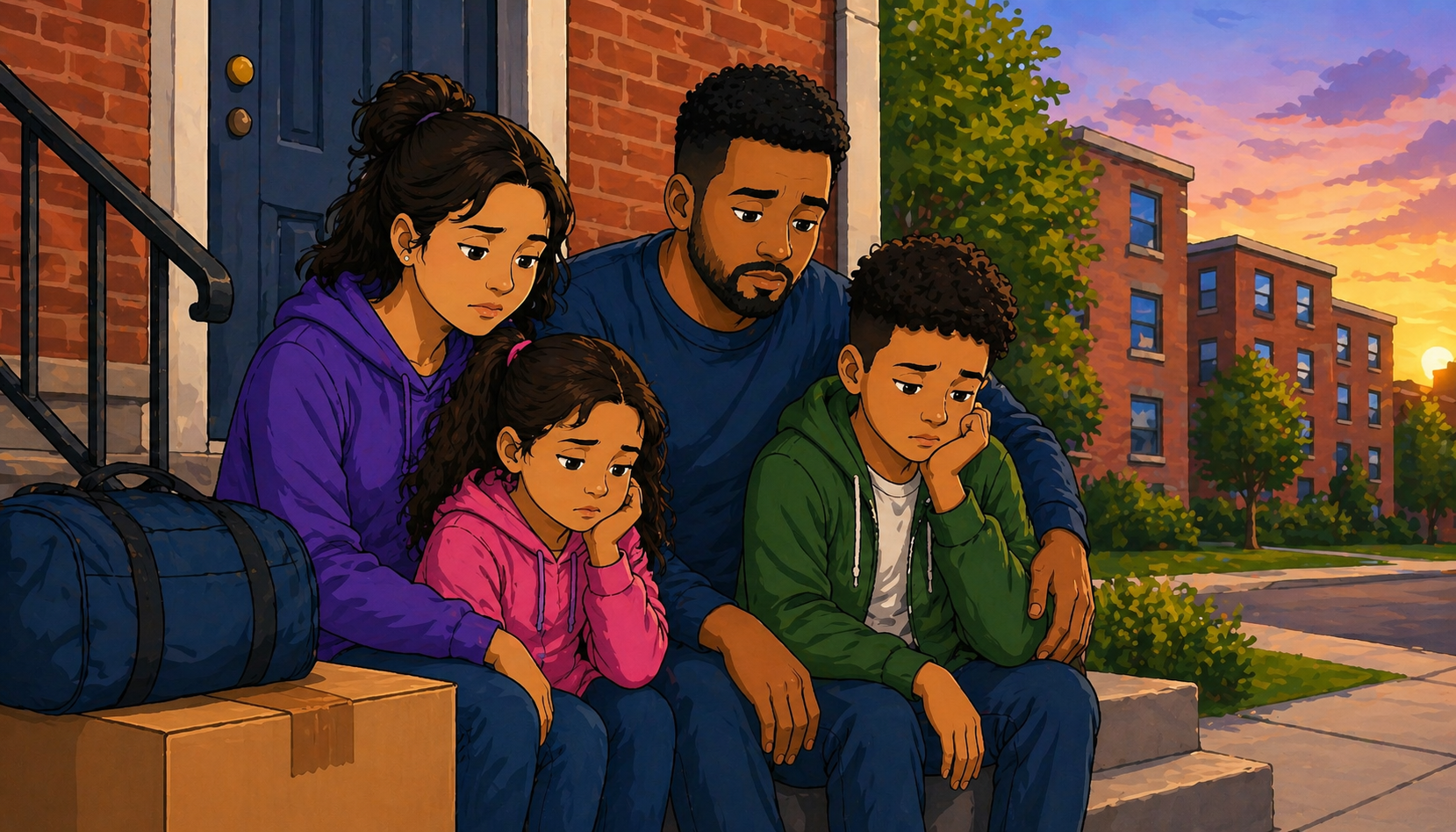
A new proposal from the U.S. Department of Housing and Urban Development (HUD) could put many families at risk of losing their homes. The rule focuses on families living in public housing or using Section 8 vouchers where not everyone in the household has the same immigration status.
This issue is important because it affects everyday people—especially children—who depend on housing assistance to stay safe and stable.
What the Proposal Says
In early 2026, HUD introduced a proposed rule that would change who can live in federally assisted housing. The rule would require every person in a household to prove they are a U.S. citizen or have an eligible immigration status.
Right now, families with mixed immigration status can still receive housing help. These are known as “mixed-status families.” For example, parents may not have eligible status, but their children might be U.S. citizens.
Under current rules, these families can still get reduced housing assistance. But the new proposal would remove that option.
Instead, families would be forced to choose:
- Stay together and lose their housing assistance
- Or separate so some members can keep the help
You can read more about how these rules work on the official HUD page about housing eligibility.
Who Could Be Affected
Housing experts say this proposal could impact a large number of people across the country.
Estimates suggest that around 80,000 people could lose housing assistance if the rule becomes final. Many of these people are part of mixed-status households.
Even more concerning, a large number of those affected are U.S. citizens, including children. These individuals qualify for housing help today but could still lose it if their household no longer meets the new rules.
This means families who have been living legally in assisted housing for years could suddenly face eviction—not because they did something wrong, but because the rules changed.
Why Affordable Housing Is Critical
Public housing and Section 8 vouchers are critical programs that help millions of people afford rent.
These programs are designed for:
- Low-income families
- Seniors
- People with disabilities
Without this support, many families would struggle to pay rent at market prices.
According to HUD, housing assistance helps keep people housed, reduces homelessness, and supports stable communities. You can learn more directly from HUD.
If families lose this help, many will not be able to stay in their homes.
Possible Effects on Families
If the proposal becomes law, the effects could be serious and immediate.
Families could face:
- Eviction from public housing
- Loss of Section 8 vouchers
- Difficulty finding affordable housing
In many areas, rent is already too high for low-income families. Losing assistance could leave people with very few options.
Some families may try to move in with relatives, leading to overcrowded housing. Others may end up in shelters or at risk of homelessness.
The U.S. government already tracks housing instability and homelessness through specific programs.
Housing experts warn that removing assistance from thousands of families at once could increase pressure on already strained housing systems.
Impact on Children
One of the biggest concerns is how this rule could affect children.
Many children in mixed-status families are U.S. citizens. If their families lose housing, these children may be forced to:
- Move frequently
- Change schools
- Live in unstable conditions
Research shows that housing instability can hurt a child’s education, health, and emotional well-being.
Stable housing helps children:
- Stay in the same school
- Build friendships
- Focus on learning
When families lose housing, it can disrupt all of that.
What Supporters of the Rule Say
Supporters of the proposal say the rule is about following existing laws more strictly.
Federal housing programs are meant to serve:
- U.S. citizens
- Certain non-citizens with eligible status
Supporters argue that limited housing resources should go only to those who fully meet eligibility requirements.
They also point out that many cities have long waiting lists for housing assistance. In some cases, families wait years to get help.
By changing the rules, supporters believe more housing units could become available to people who qualify under stricter standards.
What Critics Are Saying
Many housing organizations and advocates strongly disagree with the proposal.
They argue that the rule would:
- Break up families
- Harm children
- Increase homelessness
Critics also point out that mixed-status families already receive reduced benefits, not full assistance. Removing them completely may not free up as much housing as expected.
Groups like the National Low Income Housing Coalition have raised concerns about the impact on communities. You can explore NLIHC’s research and updates.
Another concern is fear. Some families may avoid applying for housing assistance altogether, even if they qualify, because they worry about how their information could be used.
Challenges for Housing Agencies
The proposal could also create new challenges for local housing agencies.
These agencies would need to:
- Verify immigration status for every household member
- Collect more documents
- Update records more often
This could lead to:
- Longer wait times
- More paperwork
- Increased costs for local agencies
Public housing agencies are already dealing with limited staff and resources. Adding new requirements could make it harder for them to serve families efficiently.
What Happens Next
Right now, this is only a proposed rule.
HUD is required to gather public feedback before making a final decision. During this time, people can submit comments and share how the rule might affect them.
You can view HUD’s official proposal and updates.
After reviewing feedback, HUD may:
- Move forward with the rule
- Make changes
- Or decide not to finalize it
Until a final decision is made, current housing rules remain in place.
What You Can Do
If you or someone you know lives in public housing or uses a Section 8 voucher, it’s important to stay informed.
Here are a few steps you can take:
- Contact your local housing authority for updates
- Follow trusted housing organizations
- Check official HUD resources
You can also learn about your rights and available housing programs through HUD’s official site.
Staying informed can help you prepare and understand your options.
Why Families Should Pay Attention
This proposal is about more than policy—it’s about real families and their ability to stay housed.
For many people, housing assistance is the difference between stability and hardship. Losing that support can affect every part of life, from work to school to health.
At the same time, the discussion highlights a bigger issue: there is not enough affordable housing to meet the need.
No matter what happens with this rule, the need for safe, affordable housing will continue to grow.
Final Thoughts
The proposed HUD rule could have a major impact on families across the country. While supporters say it enforces existing rules, critics warn it could lead to more evictions and hardship.
As the process continues, many families are waiting to see what will happen next.
Understanding the issue is the first step in staying prepared.
For more updates like this, take a moment to read our latest roundup of This Week in Affordable Housing.
Navigating the Section 8 housing process can feel overwhelming, and that's where Section 8 Search comes in. We're more than just a listing website; we're a dedicated resource designed to make finding housing under the Housing Choice Voucher Program straightforward and stress-free. Our platform offers user-friendly tools to explore listings and waiting list statuses nationwide, all built on official HUD data. We're also passionate about providing clear, helpful information and guidance, empowering you with the knowledge you need to understand eligibility, complete your application, and confidently navigate your housing journey.