The United States is in the middle of a serious housing shortage. Rents are high, homes are hard to buy, and millions of families struggle to find a place they can afford. A new study from The Pew Charitable Trusts has good news — and it comes down to something simple: where we build homes matters just as much as how many we build.
The research shows that building homes in areas that already have jobs, stores, and public transit saves the government money. And when the government saves money, it can keep taxes lower and put more resources toward services that help communities — including affordable housing programs like Section 8.
What the Study Found
Researchers looked at 10 states: Arizona, Florida, Maryland, Minnesota, Montana, New Hampshire, North Carolina, Pennsylvania, Texas, and Washington. They studied what it costs to build homes in different kinds of locations and how much tax money those homes bring in over time.
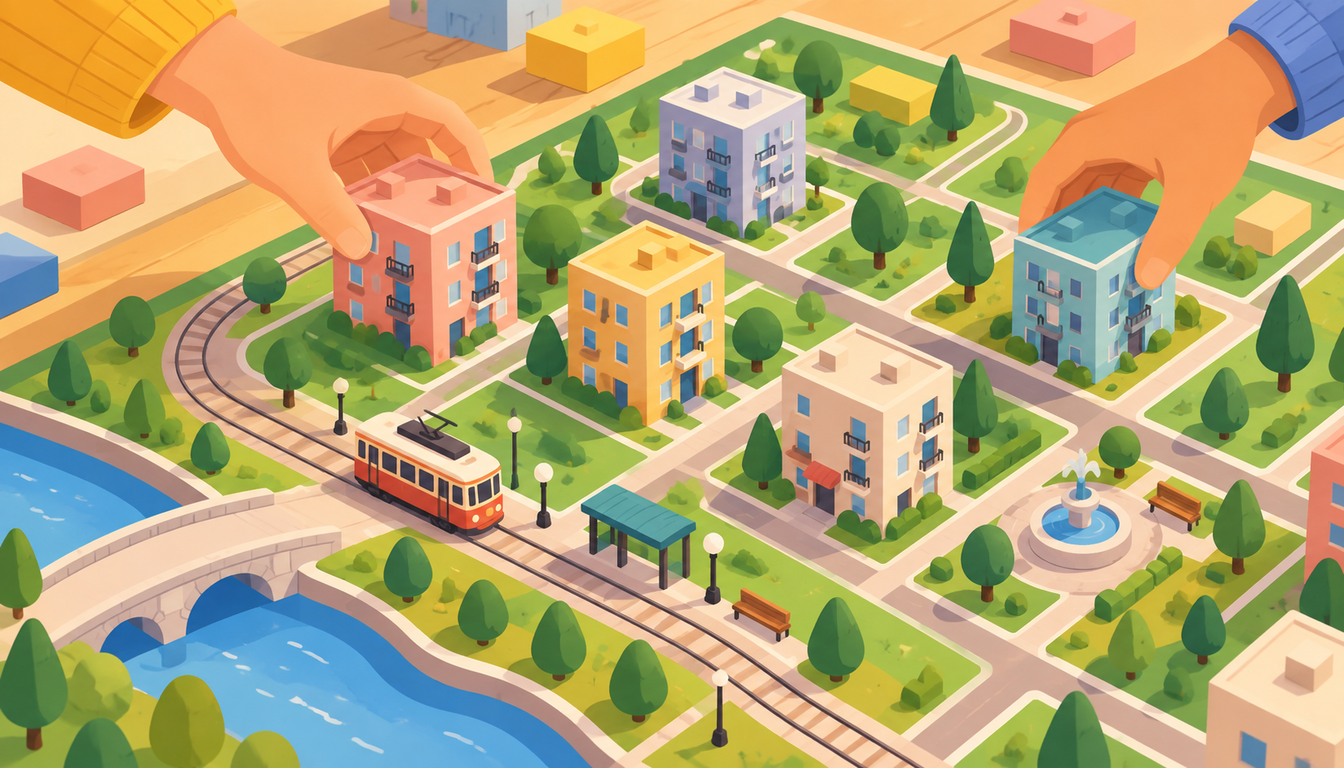
The results were clear. When new homes are built close to where people already work, shop, and catch the bus, the government spends less money. When homes are built far out on the edge of town — where there are no roads, no water lines, and no transit — the government has to build all of that from scratch. That costs a lot more money in the short term and the long term.
Here are the key numbers from the study:
- Up-front savings of about $21,000 per home. Building near existing jobs and transit means the roads, water lines, and sewer systems are already in place. The government doesn't have to build new ones, saving roughly $21,000 per home compared to building out at the edge of town.
- 50% lower ongoing maintenance costs. Roads and pipes need to be repaired over time. Homes built in already-developed areas cut those yearly maintenance costs in half — about $309 per home per year, compared to $620 per home per year in outlying areas.
- 13% more property tax revenue per acre. When more homes are packed into a smaller area near jobs and transit, that land produces more tax money. Local governments can use that money to fund schools, roads, and services — or keep property tax rates lower for everyone.
- Faster return on investment. Infrastructure pays for itself in about 9 years when homes are built in established areas. In outlying areas, it takes about 13 years. That's four extra years of waiting for taxpayers to break even.
Why This Matters for Low-Income Renters
If you're a renter using Section 8 / Housing Choice Vouchers, this research affects you directly — even if it might not seem like it at first.
Here's the connection:
The U.S. Department of Housing and Urban Development (HUD) funds affordable housing programs using public dollars. When local governments have to spend more money building roads and pipes to support homes on the outskirts of town, there is less money left for everything else — including affordable housing assistance.
When cities build smarter — near transit, near stores, near jobs — they spend less on infrastructure. That frees up money that can go toward helping more families find and keep affordable housing.
Also, homes built near jobs and transit are generally more practical for low-income families. When you live close to where you work, you spend less money on gas or car payments. If there is bus or rail service nearby, you may not need a car at all. According to the Federal Transit Administration, transit-oriented development helps lower-income households reduce transportation costs, which is one of the biggest expenses for working families.
Cities Are Already Making Changes
Some cities and states are already taking steps to build more homes in smarter locations. These are real examples from the Pew study:
Houston, Texas cut down how big a piece of land has to be before someone can build a home. That one change helped create nearly 80,000 new townhouses and small-lot homes — many of them affordable to middle-income families.
Minneapolis, Minnesota made it easier to build apartments near stores and transit stops. They also got rid of rules that required builders to include expensive parking lots. The result? The city added 12% more housing between 2017 and 2022. Rents in Minneapolis only went up 1% during that time — compared to 14% in the rest of Minnesota and 30% across the country.
These are strong examples of what happens when cities remove old, outdated rules that made it hard to build homes where people actually need them.
The Problem With Building at the Edge of Town
So if building near transit and jobs is so much better, why do so many homes get built far out on the edges of cities?
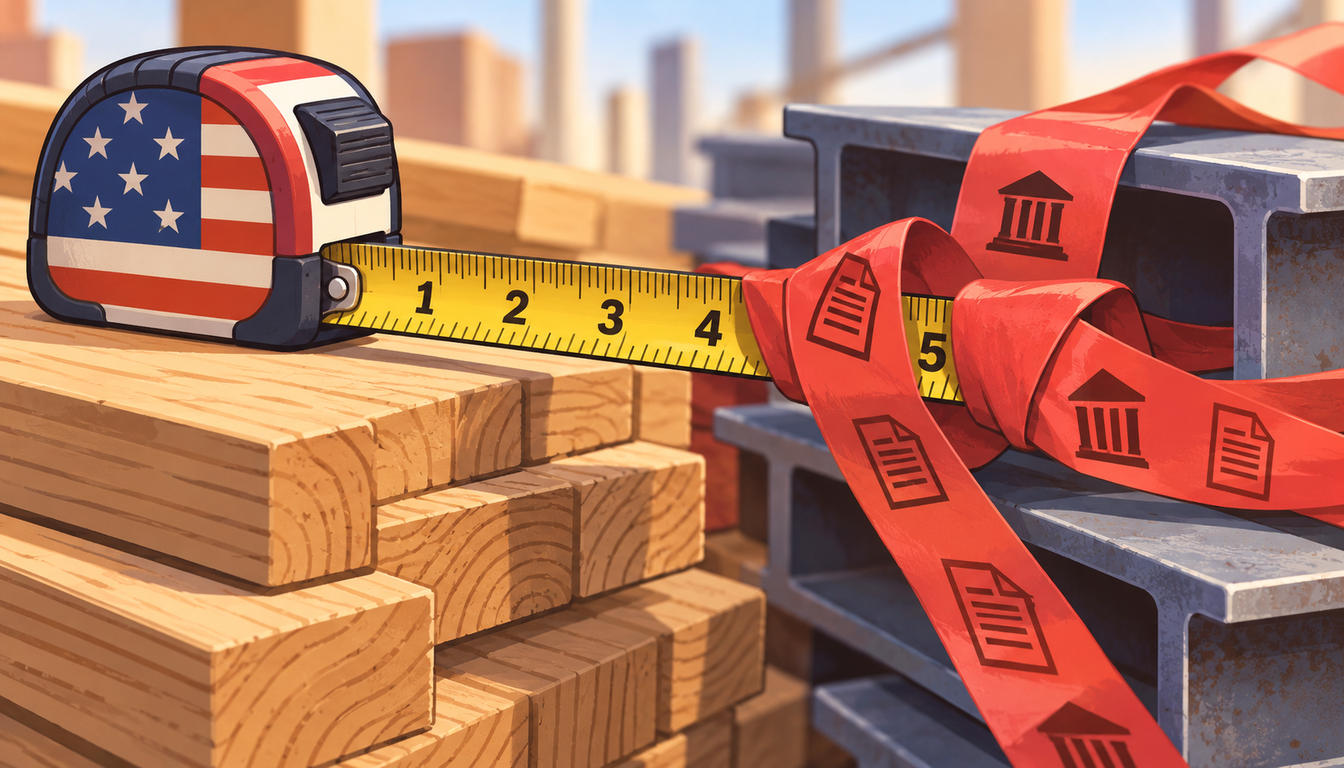
The Pew study explains this too. There are financial reasons that push developers and local governments toward building on the outskirts. Land is cheaper there. It's easier to get permits quickly. And some government funding programs actually make it easier to build new roads than to fix or expand old ones.
But those short-term savings come with long-term costs. The government ends up with more miles of roads and pipes to maintain. And the people who live far from jobs and stores often end up paying more for transportation. Over time, this puts pressure on local budgets and on families.
The National Low Income Housing Coalition has long pointed out that the shortage of affordable homes in the U.S. is especially bad for low-income renters. Building more homes in connected, convenient locations — where infrastructure already exists — is one key part of solving that problem.
What Needs to Happen Next
The Pew researchers say that states and cities need to update their rules to make it easier to build homes near jobs, stores, and transit. Fifteen states have already passed laws that allow apartments in those kinds of locations. More states are expected to follow.
Some specific reforms that have already worked include:
- Allowing more apartments near bus and rail lines
- Getting rid of rules that force builders to add parking spaces no one may need
- Making the permit process faster and cheaper
- Using building codes that make sense for smaller apartment buildings, not just large ones
The U.S. Department of Transportation has noted that housing and transportation costs together are often the two biggest expenses for American families. When both of those can be reduced by where a home is located, families have more money left over for food, health care, and other needs.
The Bottom Line
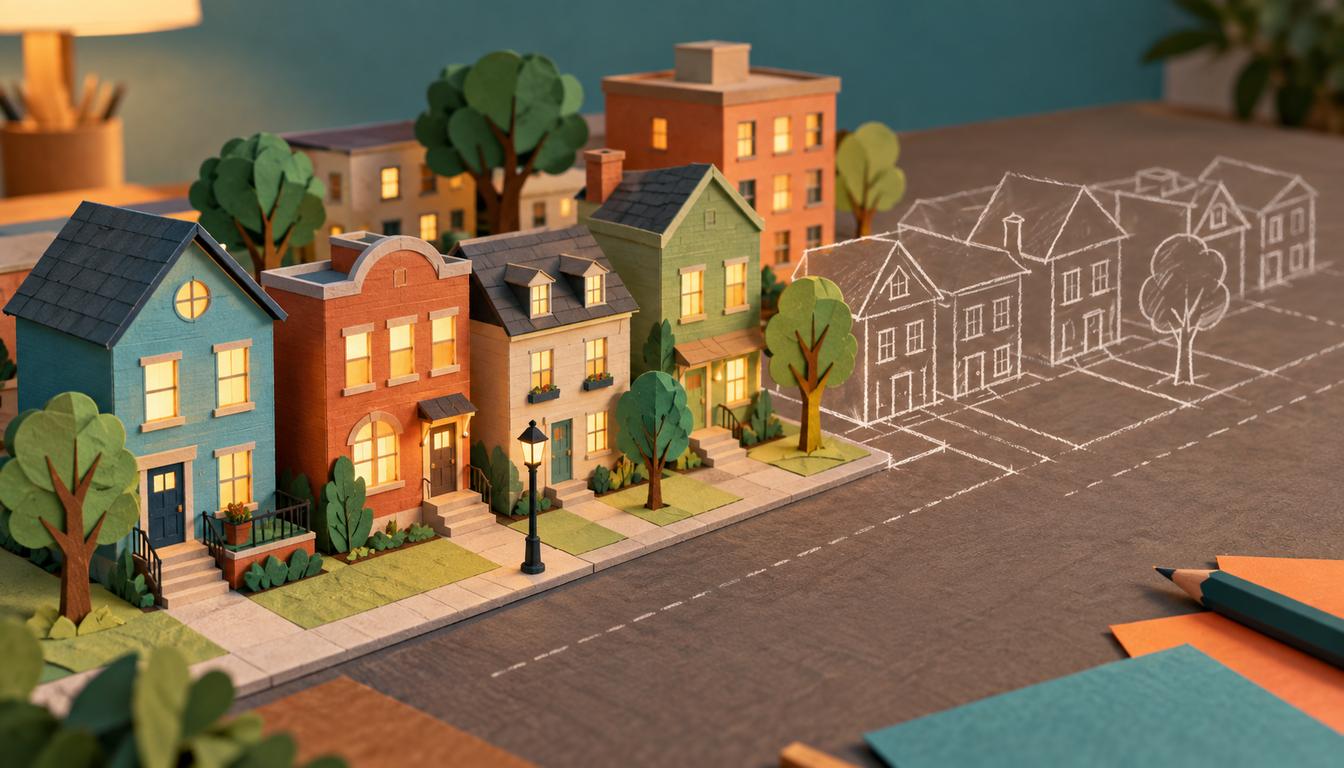
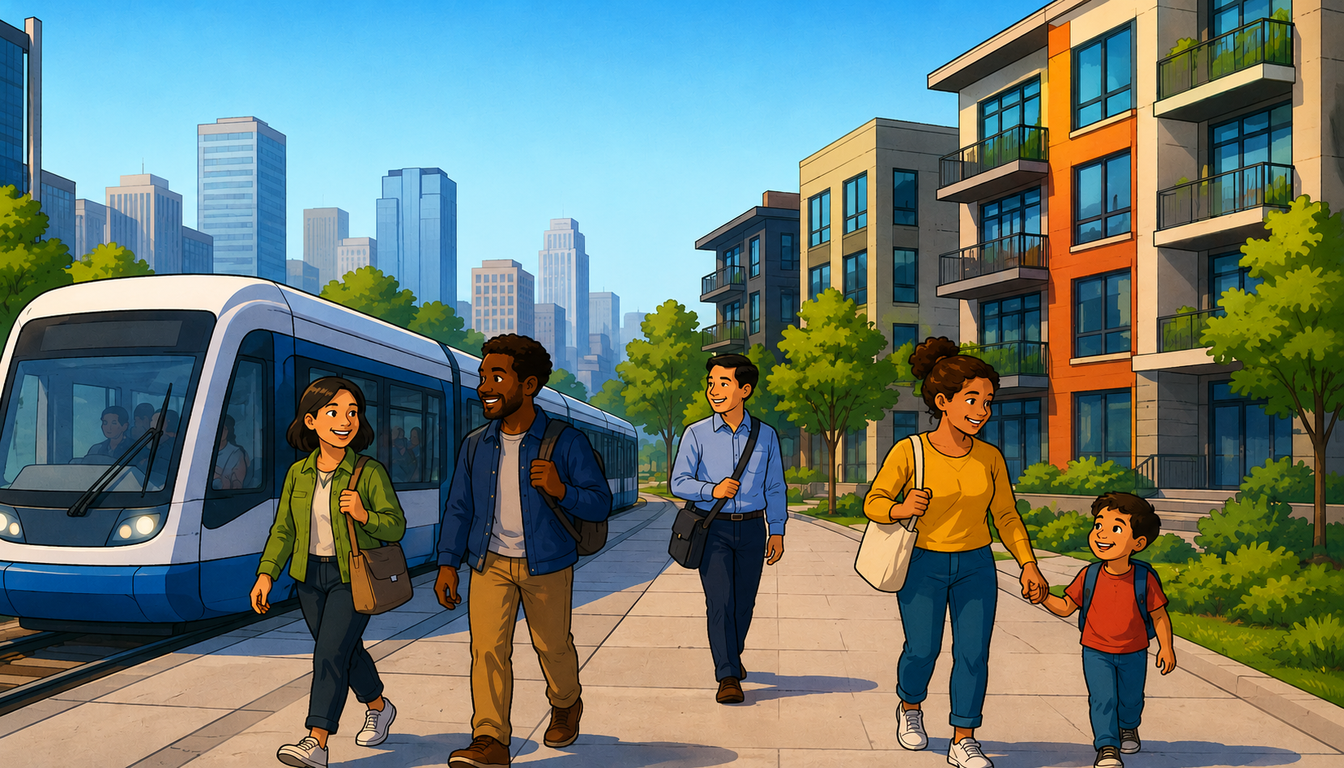
Building homes in the right places — near buses, trains, grocery stores, and jobs — saves government money, helps keep taxes down, and makes life easier for residents. For families using rental assistance, it can mean shorter commutes, lower transportation costs, and more affordable options in areas with real opportunities.
Smart housing policy is not just about building more homes. It's about building them where they will do the most good.
Want to stay up to date on the latest in affordable housing? Read our weekly roundup: This Week in Affordable Housing.
Navigating the Section 8 housing process can feel overwhelming, and that's where Section 8 Search comes in. We're more than just a listing website; we're a dedicated resource designed to make finding housing under the Housing Choice Voucher Program straightforward and stress-free. Our platform offers user-friendly tools to explore listings and waiting list statuses nationwide, all built on official HUD data. We're also passionate about providing clear, helpful information and guidance, empowering you with the knowledge you need to understand eligibility, complete your application, and confidently navigate your housing journey.