
Finding affordable housing has become harder for many families across the United States. Even when affordable housing programs exist, some households discover they earn too much to qualify but still do not earn enough to comfortably afford rent in their area.
A new bill introduced in Congress aims to address that problem. Congresswoman Yvette D. Clarke of New York recently introduced the Affordable Housing and Area Median Income Fairness Act of 2026, a proposal that could change how affordable housing eligibility is measured and potentially help more low-income families access housing assistance.
Why This Bill Matters
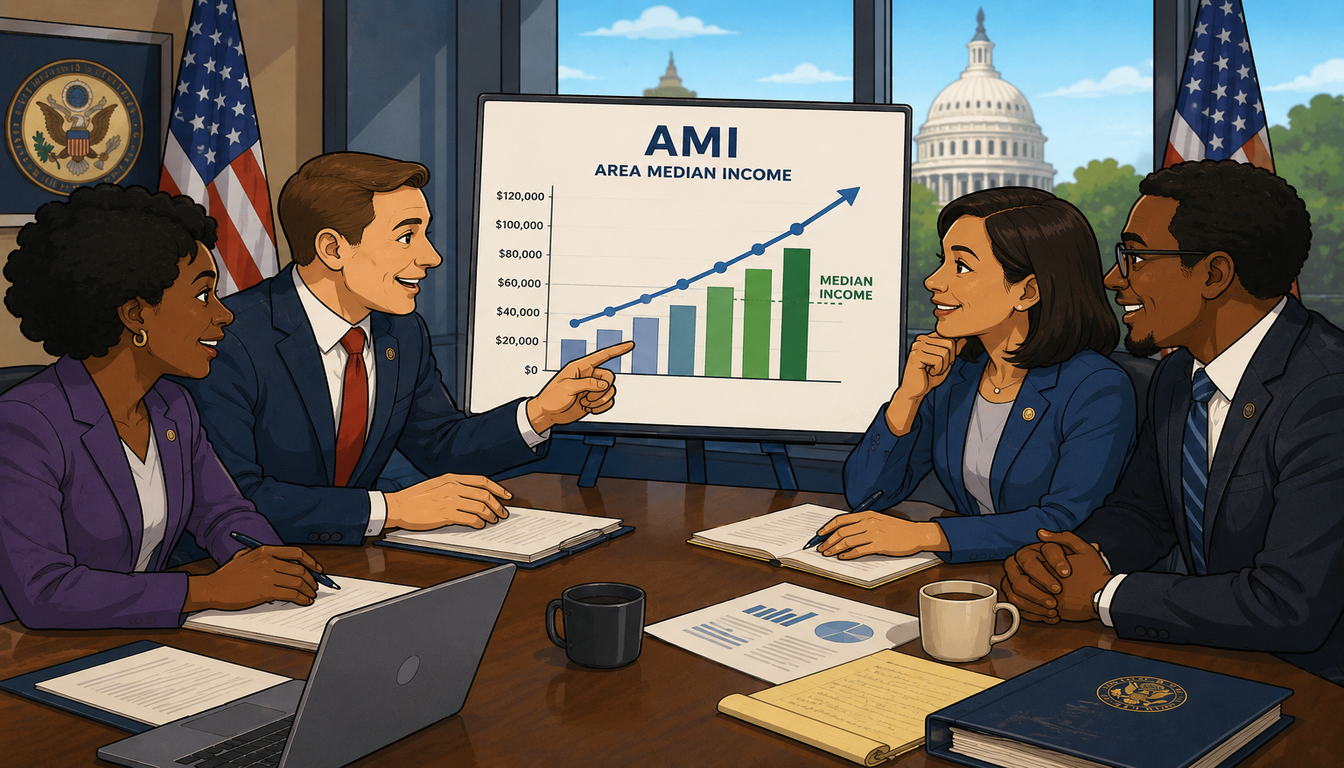
Many affordable housing programs rely on a number called Area Median Income (AMI). The U.S. Department of Housing and Urban Development (HUD) uses AMI to help determine who qualifies for affordable housing programs and what rents can be charged in certain housing developments.
The problem, according to supporters of the new bill, is that the current AMI calculation does not always reflect what families are actually experiencing in their communities. In some areas, housing costs have increased much faster than incomes. As a result, some families struggle to afford housing even though they may technically earn too much to qualify for assistance.
According to Congresswoman Clarke's office, the current system can leave many low-income families unable to access housing that was intended to help them.
What Is Area Median Income?
Area Median Income is the midpoint income for a specific area. Half of households earn more than that amount, and half earn less.
HUD uses AMI as a benchmark for many housing programs, including:
- Affordable rental housing
- Housing Choice Voucher programs
- Public housing
- Low-Income Housing Tax Credit developments
Many affordable housing units are reserved for households earning a certain percentage of AMI, such as 30%, 50%, 60%, or 80% of the area's median income.
Learn more about HUD rental assistance programs.
Supporters of the new legislation argue that AMI can sometimes paint an incomplete picture. In regions with large income differences between neighborhoods, the area's median income may be pushed higher by wealthier households. That can make affordable housing appear affordable on paper while remaining out of reach for lower-income residents.
What Would the New Bill Do?
The Affordable Housing and Area Median Income Fairness Act of 2026 would direct HUD to study alternative ways of calculating AMI.
Under the proposal, HUD would conduct an assessment of different methods and submit a report to Congress with recommendations for reforming or replacing the current system if better options are identified.
The goal is to create a system that more accurately reflects local housing needs and the financial realities facing families today.
Supporters believe this review could help ensure affordable housing programs serve the people who need them most.
You can read the full announcement from Congresswoman Clarke's office.
The legislation would also authorize approximately $15 billion for housing-related programs designed to address affordability challenges across the country.
How Could Families Benefit?
If changes are eventually made to the AMI system, some families who currently fall outside eligibility limits could potentially qualify for housing assistance.
This could be especially important in areas where rents have increased sharply over the last several years.
Many working families face a difficult situation:
- Their income is too high for some assistance programs.
- Their income is too low to comfortably afford market-rate housing.
- Available affordable housing units often have long waiting lists.
By reviewing how eligibility is calculated, lawmakers hope to create a system that better matches the realities people face every day.
For families struggling with housing costs, a more accurate measurement system could mean improved access to affordable housing opportunities.
Why Affordable Housing Remains a Major Issue
Housing affordability continues to be one of the biggest challenges facing households nationwide.
According to HUD, millions of Americans spend a large portion of their income on housing costs. When rent takes up too much of a household budget, families may struggle to pay for food, healthcare, transportation, childcare, and other basic needs.
Affordable housing advocates have long argued that housing programs should better reflect local economic conditions and the actual cost of living faced by residents.
The debate over AMI is not new. Similar concerns have been raised in cities where housing costs have increased much faster than wages. In those areas, some affordable housing units may still be too expensive for many low-income households.
Meanwhile, housing demand continues to exceed supply in many parts of the country. This shortage has contributed to rising rents and increased competition for affordable units.
The National Low Income Housing Coalition regularly tracks housing affordability issues and rental housing shortages across the United States.
What Happens Next?
The bill has been introduced in Congress, but it still has several steps to complete before it could become law.
Like other federal legislation, it must move through committee review and receive approval from both the House of Representatives and the Senate.
Even if the bill eventually passes, any changes to AMI calculations would likely take time. HUD would first need to conduct its study, review data, and provide recommendations to Congress.
That means immediate changes to housing eligibility are not expected.
However, housing advocates are closely watching the proposal because it could influence how affordable housing programs operate in the future.
What This Means for Section 8 Applicants
For people searching for affordable housing today, current eligibility rules remain in place.
Families interested in rental assistance should continue checking with their local Public Housing Authority and reviewing HUD program requirements.
You can find your local housing authority through HUD's directory.
Applicants should also keep their information updated, respond to housing authority requests promptly, and monitor waiting list openings in their area.
While the new bill does not create immediate eligibility changes, it highlights an important national conversation about whether current housing assistance rules truly reflect the challenges many families face.
Looking Ahead
The Affordable Housing and Area Median Income Fairness Act of 2026 focuses on a question that affects millions of Americans: How should affordable housing eligibility be measured?
Supporters believe the current system leaves some struggling families behind and that a closer review of AMI could lead to fairer housing opportunities. Policymakers will continue debating the best way to measure housing need while ensuring federal housing resources are distributed effectively.
For now, the bill represents another effort to address the ongoing affordable housing crisis and improve access to housing assistance for families who need it most. As the legislation moves through Congress, housing advocates, local governments, and renters across the country will be watching closely.
For more affordable housing news and updates, be sure to read our latest roundup, This Week in Affordable Housing.
It covers recent housing developments, policy updates, and important information for renters and affordable housing applicants across the country.
Navigating the Section 8 housing process can feel overwhelming, and that's where Section 8 Search comes in. We're more than just a listing website; we're a dedicated resource designed to make finding housing under the Housing Choice Voucher Program straightforward and stress-free. Our platform offers user-friendly tools to explore listings and waiting list statuses nationwide, all built on official HUD data. We're also passionate about providing clear, helpful information and guidance, empowering you with the knowledge you need to understand eligibility, complete your application, and confidently navigate your housing journey.