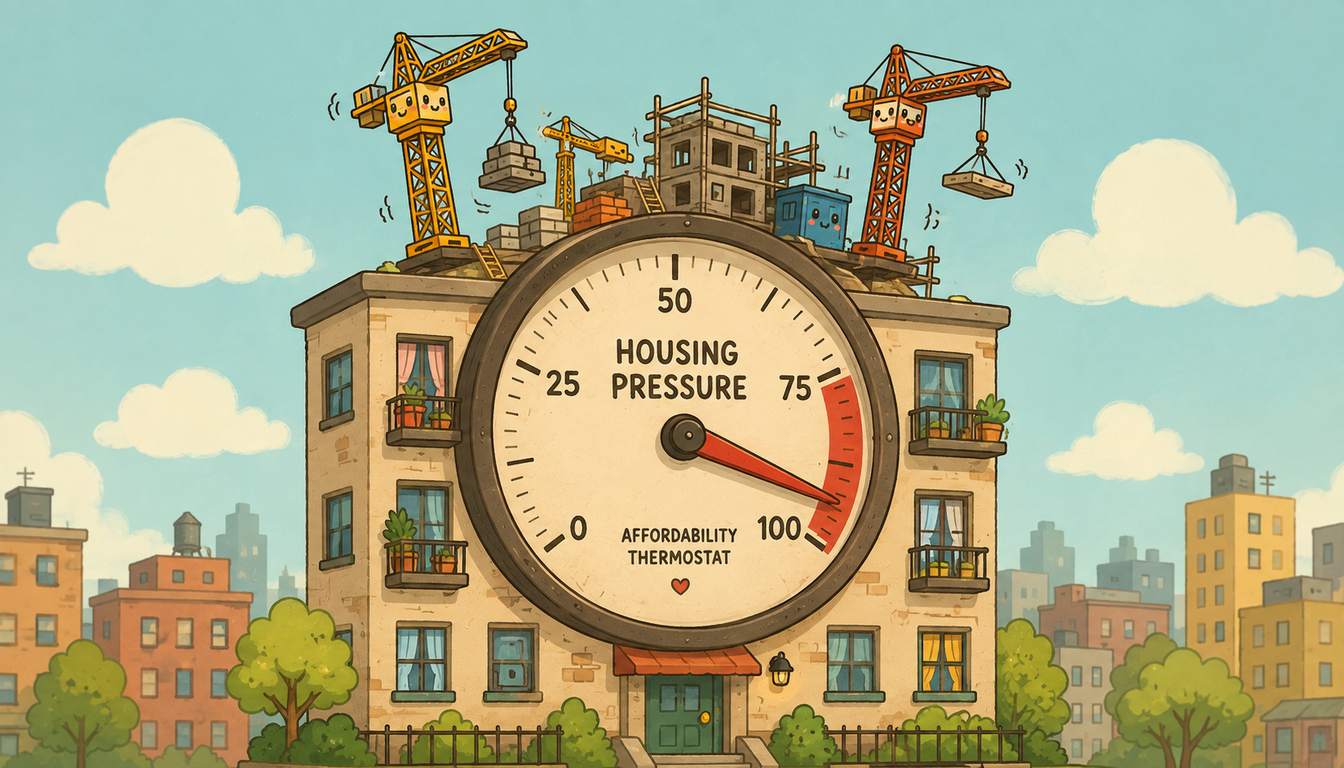
If you rely on Section 8 or live in affordable housing, you've probably felt the sting of higher utility bills over the past year. But energy costs aren't just squeezing renters directly — they're also making it harder for developers to build and maintain the affordable homes that people depend on. A new report is putting numbers behind what many housing advocates already suspected: energy price swings are quietly draining affordable housing budgets at a time when the country can least afford it.
This might seem like a topic that only matters to developers and lenders. But the ripple effects reach every renter who is on a waitlist, searching for a voucher unit, or trying to keep their own utility bills under control. When it costs more to build and run affordable housing, fewer new units get built, existing buildings have less money for repairs, and the whole system feels the strain. Understanding what's driving these costs — and what's being done about it — can help you make sense of why waitlists in your area might be longer than they used to be, and what resources exist to help you in the meantime.
The Problem in Plain Terms
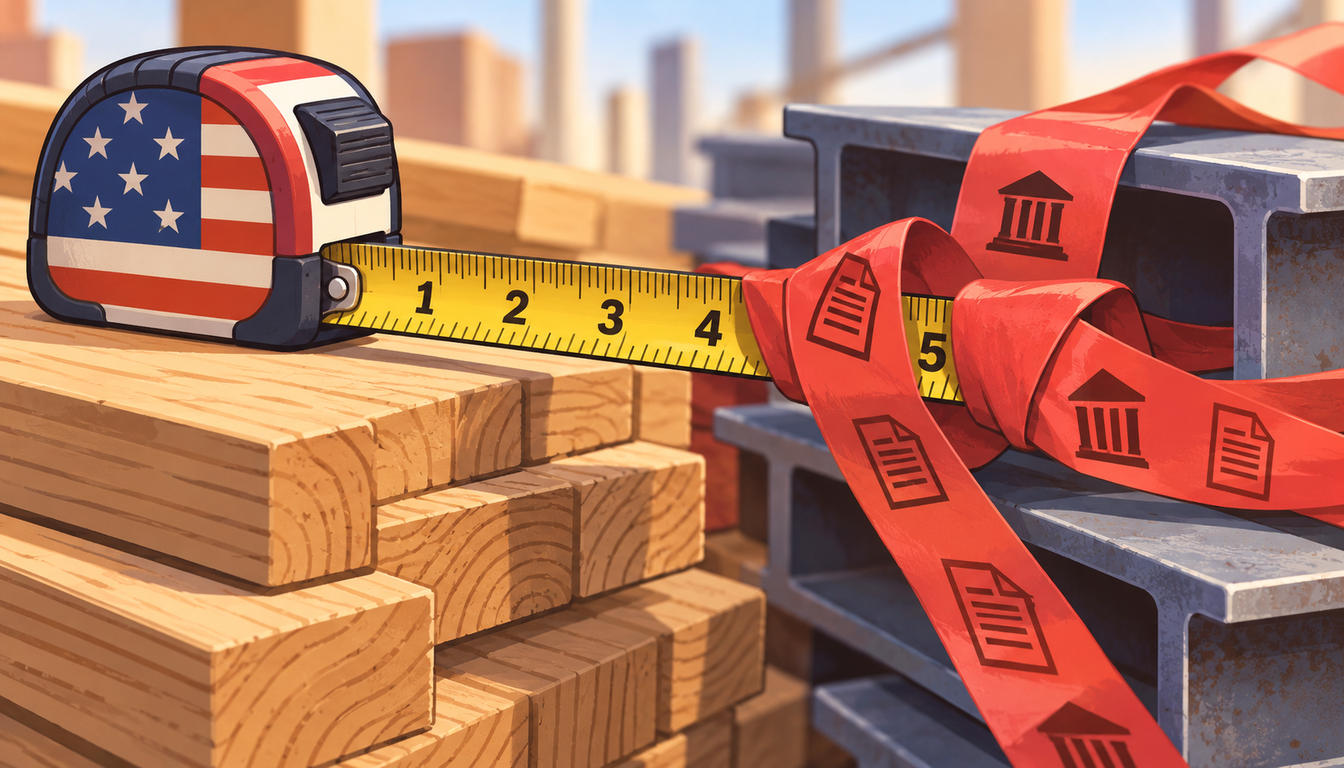
Oil and fuel prices have jumped a lot this year. According to TD Economics, crude oil prices have risen sharply since the start of 2026 because of disruptions in global energy markets. Prices have come down some since then, but the cost of building materials hasn't followed. Once prices go up for things like diesel fuel, insulation, or piping, they tend to stay up — even if oil prices ease later.
Here's what that looks like in real numbers, according to a recent report from Andrew Warren, a community development lending executive at TD Bank, published by Affordable Housing Finance:
- Diesel fuel costs rose about 44% compared to last year.
- The overall cost of materials for new home construction rose 6.5% since July 2025.
- Fiberglass insulation now costs about 65 cents per square foot, up more than 13%.
None of these numbers sound huge on their own. But multiply small increases across an entire apartment building — insulation, pipes, roofing, flooring — and the total adds up to real money. A project that looked affordable to build a year ago might not pencil out today.
It's also worth understanding why this happens the way it does. Energy prices don't just show up as one line item on a construction budget. They show up almost everywhere, because energy is used to manufacture materials, run machinery, and transport supplies to the job site. When diesel fuel costs more, it's more expensive to truck lumber, drywall, and appliances to a construction site. When natural gas or electricity prices rise, it costs more to make products like PVC pipe, asphalt shingles, and insulation in the first place. So a spike in energy prices doesn't hit one part of a housing budget — it touches almost all of it at once, in ways that are easy to miss until the final numbers come in higher than expected.
This is different from a cost increase that's easy to plan around, like a scheduled rent adjustment. Energy prices can move up or down within weeks based on world events, weather, or changes in supply — things that have nothing to do with the housing market itself, but still end up affecting it.
Why This Hits Affordable Housing Harder Than Other Housing
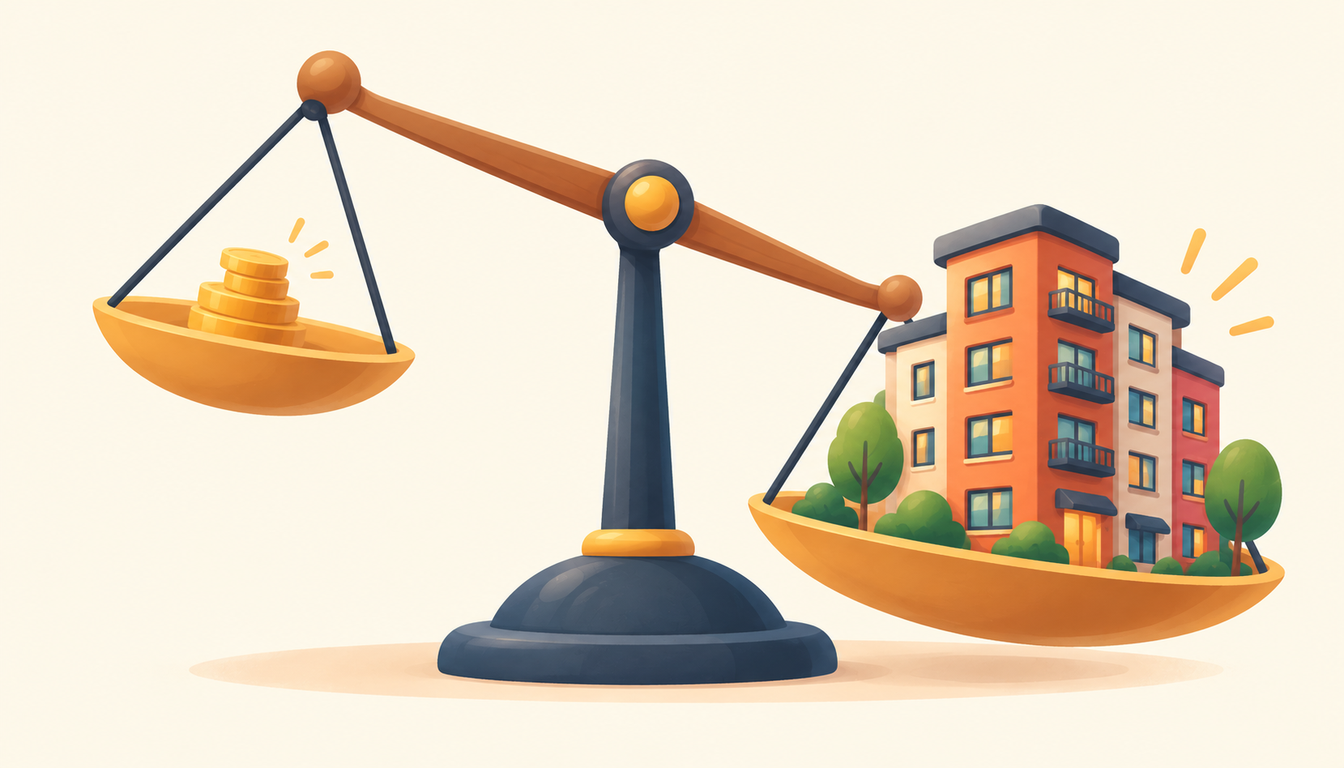
Market-rate apartments can often raise rents to cover rising costs. Affordable housing can't do that. Rents in these buildings are capped by law, and the funding that pays for construction is usually locked in months or years before a project is finished. So when material and fuel costs jump partway through a project, there's no extra money to absorb the difference.
That gap matters because the country is already short on affordable homes. According to the National Low Income Housing Coalition, there are only 35 affordable rental homes available for every 100 extremely low-income renter households nationwide. Every project that gets delayed or scaled back because of rising costs makes that shortage worse.
There's also a timing problem that makes things harder. Affordable housing projects rely on a mix of funding sources — things like tax credits, government grants, and bank loans — that all have to line up before construction can start. Putting that funding together can take months or even years. But energy and material prices can shift in a matter of weeks. By the time a project finally breaks ground, the cost assumptions used to plan the budget may already be out of date. Unlike a private developer who might be able to raise rents or delay a project without much consequence, affordable housing developers are working with fixed funding and fixed rent limits, so there's very little room to adjust once the money is committed.
What Housing Developers Are Doing About It
The report outlines a few strategies that housing developers, lenders, and public agencies are using to keep projects moving even when costs shift:
Planning for problems earlier. Instead of assuming costs will stay flat, developers are building bigger cushions into their budgets from the start — accounting for possible jumps in fuel, labor, and material costs before they happen, not after. This means testing a budget against a "what if prices go up" scenario before construction ever begins, rather than scrambling to find extra money once costs have already increased. Lenders who get involved early in this process can also help identify weak spots in a budget before they turn into bigger problems, since they often have a clearer view of financing timelines, reserve funds, and repayment risk.
Choosing quality over the cheapest option. It can be tempting to cut corners when a budget is tight, but cheap materials or inefficient heating and cooling systems often cost more in the long run through higher utility and repair bills. Many developers are prioritizing energy-efficient building materials and systems that lower long-term operating costs, even if they cost a bit more upfront. This matters just as much for renters as it does for developers — a building with better insulation and more efficient heating and cooling systems tends to have lower, more predictable utility bills for the people living there. So decisions made at the construction stage can directly affect how much residents pay for electricity and gas years down the road.
Keeping everyone talking. Affordable housing projects involve a lot of moving parts — city governments, lenders, tax credit investors, developers, contractors, and sometimes community groups. When costs change unexpectedly, clear and frequent communication between all these groups helps prevent delays from turning into project failures. A project that hits a cost problem isn't necessarily doomed, but it does need everyone involved to respond quickly and work together on a solution, rather than letting the issue sit unresolved while costs continue to climb.
What This Means for You as a Renter
If you're searching for Section 8 housing or already live in a subsidized unit, here's the practical impact:
New affordable units may take longer to open, or fewer may get built. When construction costs rise faster than funding, some planned developments get delayed, shrunk, or in the worst cases, canceled. That means longer waitlists in many areas.
Utility allowances matter more than ever. If your rent doesn't include utilities, your housing authority provides a utility allowance — an estimate of what your monthly heating, cooling, and electric costs should be. You can learn how utility allowances work through HUD's official guidance. If your actual bills are running higher than your allowance, it's worth asking your local housing authority whether the allowance is up to date for your area.
Help is available if energy bills are tight. The Low Income Home Energy Assistance Program (LIHEAP) is a federal program that helps eligible households pay heating and cooling bills, prevent utility shutoffs, and even make small home energy repairs. You can find your local LIHEAP office and apply through the program's website, or call the National Energy Assistance Referral line at 1-866-674-6327 for help finding a location near you. Eligibility and benefit amounts vary by state, so it's worth reaching out even if you're not sure whether you'll qualify.
Ask questions if something feels off. If you're on a Housing Choice Voucher and your rent is set through a payment standard that includes a utility allowance, and your actual bills are consistently higher than what the allowance accounts for, it's reasonable to ask your local Public Housing Agency (PHA) how that allowance was calculated and when it was last updated. Utility allowances are supposed to reflect typical energy use for a unit of your size, but they don't always keep pace with real-world price changes right away.
Expect longer waitlists in some areas, at least for now. It's discouraging to hear, but it helps to know the reason behind it. If new affordable housing construction in your area seems to be moving slower than expected, rising costs like the ones described in this article may be part of the reason. This doesn't mean projects have been abandoned — it often means developers and public agencies are working through funding gaps before moving forward, rather than building something that won't be financially stable in the long run.
The Bigger Picture
Construction costs go up and down — that's nothing new for the housing industry. What's different now is the speed and unpredictability of the swings, combined with a housing shortage that leaves very little room for error. Every dollar that gets eaten up by rising material and fuel costs is a dollar that isn't going toward building the next affordable home.
The good news is that developers, lenders, and public agencies are adapting — building in more planning time, choosing durable and efficient materials, and staying in closer contact throughout a project. These changes won't make energy markets more predictable, but they can help make sure fewer affordable housing projects get stuck or canceled because of cost swings outside anyone's control.
For renters, staying informed about programs like LIHEAP and understanding how your utility allowance works can help you manage rising costs in the meantime — while the broader housing system works through these pressures.
Want to stay on top of what's happening in affordable housing? Check out our latest roundup: This Week in Affordable Housing — Week of August 31, 2026.
Navigating the Section 8 housing process can feel overwhelming, and that's where Section 8 Search comes in. We're more than just a listing website; we're a dedicated resource designed to make finding housing under the Housing Choice Voucher Program straightforward and stress-free. Our platform offers user-friendly tools to explore listings and waiting list statuses nationwide, all built on official HUD data. We're also passionate about providing clear, helpful information and guidance, empowering you with the knowledge you need to understand eligibility, complete your application, and confidently navigate your housing journey.