
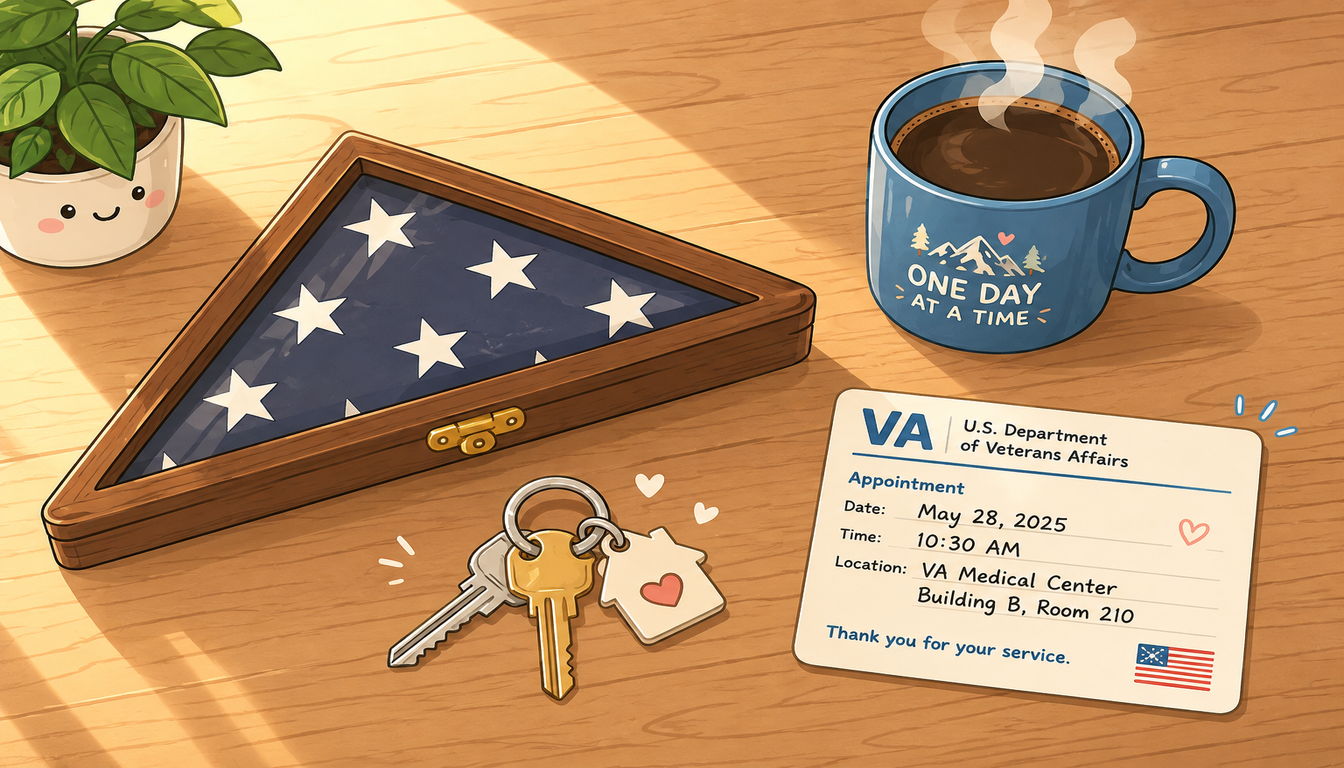
Veterans who are homeless or worried about losing their housing have a real path to a stable home. That's exactly why the HUD-VASH program exists. It combines a rental voucher with a personal support team, so veterans don't just get help paying rent — they get help staying housed for good.
If you're a veteran, or you know one who needs housing help, here's what you need to know about how VASH vouchers work in 2026.
What Is a HUD-VASH Voucher?
HUD-VASH stands for HUD-Veterans Affairs Supportive Housing. It's a joint program run by the Department of Housing and Urban Development and the Department of Veterans Affairs. It pairs a Housing Choice Voucher (the same kind of voucher used in Section 8) with ongoing case management from a VA social worker.
That combination is what makes VASH different from a regular Section 8 voucher. You don't just get money toward rent — you also get a person checking in with you, helping you find an apartment, and connecting you to health care, job support, or anything else that helps you stay stable in your new home.
The program has been running since 2008, and it has made a real difference. According to the VA's homeless programs office, more than 95,000 formerly homeless veterans were living in their own homes through HUD-VASH as of early 2026, and nearly 250,000 veterans have been permanently housed through the program since it began.
Who Can Get a VASH Voucher?
To qualify, a veteran generally needs to meet three things:
- Veteran status. You need to have served in the active military. Most discharge types are accepted, but a dishonorable discharge usually disqualifies you.
- Housing need. You must be homeless or at serious risk of losing your housing.
- VA health care eligibility. You need to be eligible for VA health care services, though you don't have to already be enrolled to start the process.
There was a big change in August 2024 that opened the door for a lot more veterans. HUD now requires local housing agencies to accept veterans earning up to 80% of their area's median income, up from just 50% before. On top of that, VA disability payments are no longer counted when figuring out if a veteran qualifies based on income. The VA explains this change here, and it means veterans with higher disability ratings or part-time income are much less likely to be turned away for making "too much."
There are a couple of exceptions that can block someone from the program no matter what, such as being on a lifetime sex offender registry. But outside of those rare cases, the program is built to say yes to as many veterans as possible.
How the Voucher Actually Works
Once approved, HUD-VASH works a lot like a standard Section 8 voucher. You typically pay around 30% of your monthly income toward rent, and the voucher covers the rest, up to a set limit based on your area. You get to pick your own apartment on the private market, as long as the landlord accepts the voucher and the unit passes an inspection.
The VA case manager stays involved even after you move in. They can help with things like furniture, transportation to appointments, or connecting you to mental health or substance use support if you need it. The goal isn't just to get you a lease — it's to help you keep it.
There's also a version of the program for Native American and Alaska Native veterans called Tribal HUD-VASH, which works with tribal housing authorities instead of local public housing agencies.
How to Apply
This is the part that surprises a lot of people: you don't apply through a housing authority or fill out a Section 8 waitlist form. You start at the VA.
Here's how the process usually goes:
- Contact the VA. Call the National Call Center for Homeless Veterans at 877-424-3838, or reach out to your local VA medical center. This line is staffed 24/7 and can point you toward help immediately, even outside of business hours.
- Meet with a VA social worker. They'll talk with you about your housing situation, your health, and what kind of support would help you most.
- Get referred. If you qualify, the VA refers you to a local public housing agency that partners with the VASH program in your area.
- Get your voucher. The housing agency issues your voucher, and from there, you have a window of time (usually a couple of months) to find an apartment.
- Move in. Your VA case manager stays in your corner during the search and after you're settled.
You can also find general information about the program and current funding notices on HUD's official HUD-VASH page.
A Few Things Worth Knowing
There's no public waitlist you sign up for online. Unlike regular Section 8, you can't just find an application on a website. Access comes through your local VA office, so reaching out directly is the fastest path in.
You don't need to be enrolled in VA health care first. A lot of veterans assume they need to already be a VA patient to ask for help. That's not true — the intake call itself can get that process started.
Funding changes every year. HUD and the VA release new voucher funding on a rolling basis, and some public housing agencies get more vouchers than others depending on local need. If your area doesn't have vouchers available right this moment, your case manager can help you look at other housing options in the meantime, including regular Section 8.
Family members can be included. If you have a spouse, children, or other dependents, they can typically be added to your household when the voucher is issued.
Common Questions
Do I have to be currently homeless to qualify, or does "at risk" count? Being at risk counts too. You don't have to already be living on the street or in a shelter. If you're about to be evicted, staying somewhere temporary, or worried you'll lose your housing soon, the VA can still work with you.
What if my local housing agency doesn't accept the voucher I'm offered? Not every landlord participates in the voucher program, and that's normal. Your VA case manager and the housing agency can help you find landlords in your area who already accept HUD-VASH vouchers, which usually speeds up the search.
Can I lose my voucher once I have it? Yes, if you stop following the program's basic rules, such as paying your share of rent or keeping in touch with your case manager. But the program is built around support, not punishment, so most veterans who stay engaged with their case manager keep their housing long-term.
Is HUD-VASH the same as regular Section 8? Not exactly. The rental subsidy works the same way, but HUD-VASH adds VA case management on top, and you apply through the VA instead of a housing authority's general waitlist.
Where to Go From Here
If you're a veteran facing housing insecurity, the most important step is simply making the call. Waiting rarely makes the situation easier, and the program is specifically designed to move quickly for people who are homeless or close to it.
Reach out to the National Call Center for Homeless Veterans at 877-424-3838, or visit your nearest VA medical center to speak with a social worker about your options.
And if you want to stay on top of what's changing in affordable housing more broadly, take a look at our latest roundup: This Week in Affordable Housing.
Navigating the Section 8 housing process can feel overwhelming, and that's where Section 8 Search comes in. We're more than just a listing website; we're a dedicated resource designed to make finding housing under the Housing Choice Voucher Program straightforward and stress-free. Our platform offers user-friendly tools to explore listings and waiting list statuses nationwide, all built on official HUD data. We're also passionate about providing clear, helpful information and guidance, empowering you with the knowledge you need to understand eligibility, complete your application, and confidently navigate your housing journey.