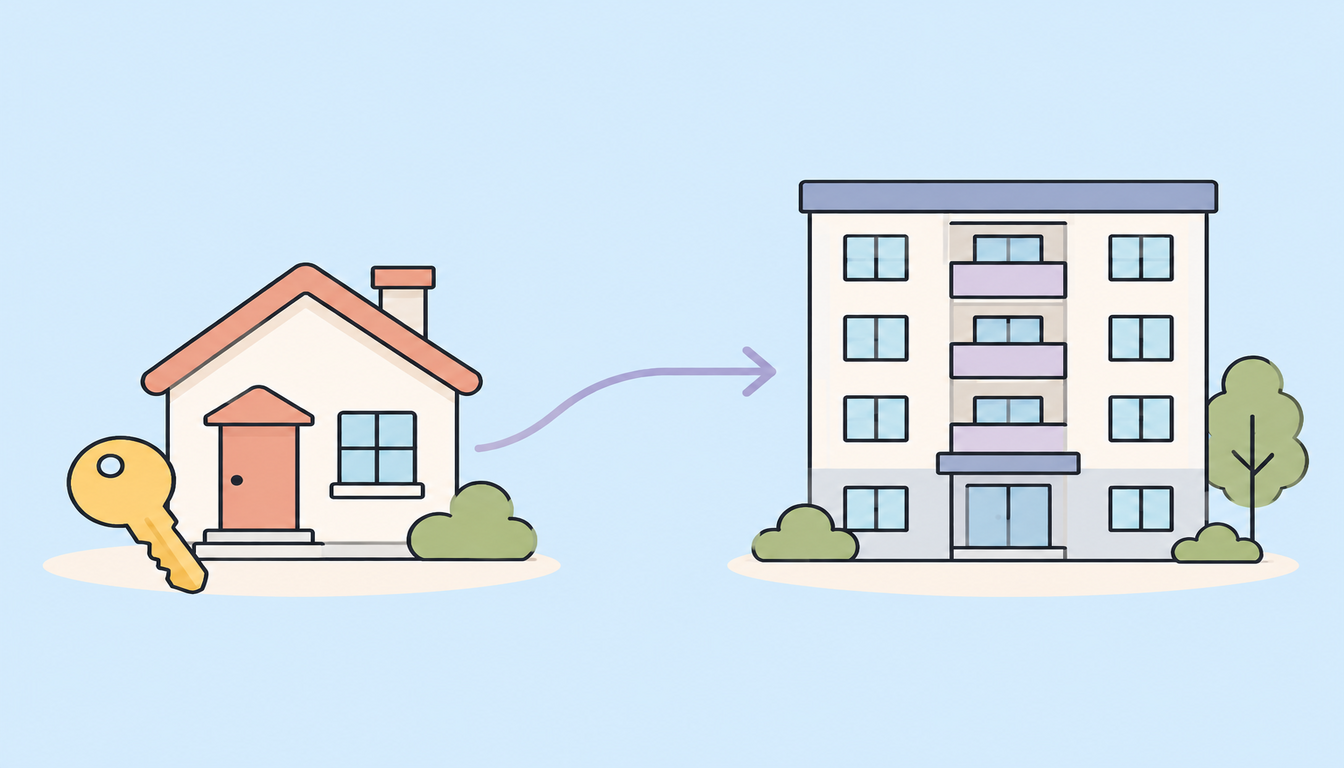
If you're looking for help paying rent, you've probably seen two terms come up again and again: Section 8 and public housing. Both are run by the U.S. Department of Housing and Urban Development (HUD), and both exist to help low-income families, seniors, and people with disabilities find a safe place to live. But they don't work the same way, and knowing the difference can help you pick the option that fits your life best.
Here's a simple breakdown of how each program works, who they help, and what to expect if you apply.
What Is Section 8?
Section 8, also called the Housing Choice Voucher Program, gives you a voucher that helps pay part of your rent at a home you choose yourself. The homes are owned by private landlords, not the government. As long as the landlord agrees to accept the voucher and the home passes a safety inspection, you can live almost anywhere.
Here's how it works in simple terms:
- You apply through your local Public Housing Agency (PHA).
- If you're approved, you get a voucher.
- You find an apartment or house where the landlord accepts Section 8.
- HUD pays part of the rent directly to your landlord.
- You pay the rest, usually around 30% of your household income.
Because the voucher moves with you, you have more freedom to choose your neighborhood, school district, or type of home. This is one of the biggest reasons people prefer Section 8 when it's available.
What Is Public Housing?
Public housing works differently. Instead of a voucher you can use anywhere, you move into a building or unit that is owned and run by the government. These can be small houses, mid-size buildings, or larger apartment complexes, depending on your city.
With public housing:
- You apply to your local PHA and get placed on a waiting list.
- The PHA offers you a unit when one becomes available.
- You pay about 30% of your adjusted monthly income toward rent.
- You don't get to pick the exact building or neighborhood; you take the unit you're offered.
Public housing tends to have shorter waits in some areas because there are fewer moving parts. But your choices are more limited, and building conditions can vary a lot depending on how old the property is and how well it's maintained.
The Main Difference, in One Sentence
Section 8 lets you rent from a private landlord almost anywhere that accepts the voucher. Public housing places you in a government-owned building. That's the core difference, and almost everything else flows from it.
How They're Alike
Even though they work differently, Section 8 and public housing share some important things in common:
- Both are funded and overseen by HUD.
- Both are managed locally by Public Housing Agencies.
- Both use the same income guidelines to decide who qualifies.
- Both require rental units to pass yearly safety and quality inspections.
- Both ask tenants to pay roughly 30% of their income toward rent.
So no matter which program you end up in, the goal is the same: safe, decent, affordable housing.
Who Qualifies?
For both programs, your income has to fall below a certain limit based on where you live and how many people are in your household. HUD sets these limits every year, and they're different depending on your county or metro area. You can check your local income limits and eligibility details directly on HUD's official site.
Some other common eligibility factors include:
- U.S. citizenship or eligible immigration status
- Background checks (rules vary by PHA)
- Family size and composition
- Local preferences, such as veterans, people experiencing homelessness, or survivors of domestic violence, who may be moved up the waiting list
Which One Should You Apply For?
Since you often can't predict which program will have a shorter wait in your area, many housing experts recommend applying for both Section 8 and public housing at the same time through your local PHA. You can find your local PHA using HUD's PHA contact directory.
Ask yourself these questions to help decide which one fits you better:
- Do you want to choose your own neighborhood or school district? Section 8 usually gives you more freedom.
- Do you want a shorter wait, even with less choice? Public housing might work faster in some cities.
- Do you need extra support services, like for seniors or people with disabilities? Some public housing communities are built specifically for these groups.
There's no wrong answer here. It really comes down to what matters most to your family right now.
What's New in 2026
Housing assistance programs are always being fine-tuned, and it's worth knowing that HUD continues to shift more of its funding toward the voucher program rather than building new public housing. This means Section 8 waitlists are often longer, since demand is high and voucher funding, while significant, still can't cover everyone who qualifies. In many cities, more than 2,200 local PHAs now manage voucher programs, helping over 2.3 million households across the country.
Because of this funding shift, some public housing buildings are older and haven't been fully updated. HUD has ongoing programs aimed at repairing and modernizing these properties, but progress varies by city and state. If you're placed in public housing, it's a good idea to ask your PHA directly about the condition and renovation plans for any building you're considering.
A Few Tips Before You Apply
- Apply to more than one PHA if you can. Waiting lists differ a lot from city to city, and some may be closed while others are open.
- Keep your paperwork ready. Proof of income, ID, and family information are usually required right away.
- Update your contact information. Many people lose their spot on a waiting list simply because the PHA couldn't reach them.
- Ask about local preferences. You might qualify for faster placement if you're a veteran, currently homeless, or fleeing domestic violence.
Getting Help Finding the Right Program
Understanding the difference between Section 8 and public housing is the first step. The next step is figuring out where to apply and what your chances look like based on where you live.
If you'd like help finding open waiting lists, checking your eligibility, or understanding your options in more detail, Section8Search.org, is a great place to start. It's built to make the search process simpler, so you can spend less time guessing and more time finding a place to call home.
Housing assistance can feel confusing at first, but you don't have to figure it out alone. Whether you end up in Section 8 housing or public housing, both programs exist for the same reason: to help you and your family live somewhere safe, stable, and affordable.
Navigating the Section 8 housing process can feel overwhelming, and that's where Section 8 Search comes in. We're more than just a listing website; we're a dedicated resource designed to make finding housing under the Housing Choice Voucher Program straightforward and stress-free. Our platform offers user-friendly tools to explore listings and waiting list statuses nationwide, all built on official HUD data. We're also passionate about providing clear, helpful information and guidance, empowering you with the knowledge you need to understand eligibility, complete your application, and confidently navigate your housing journey.