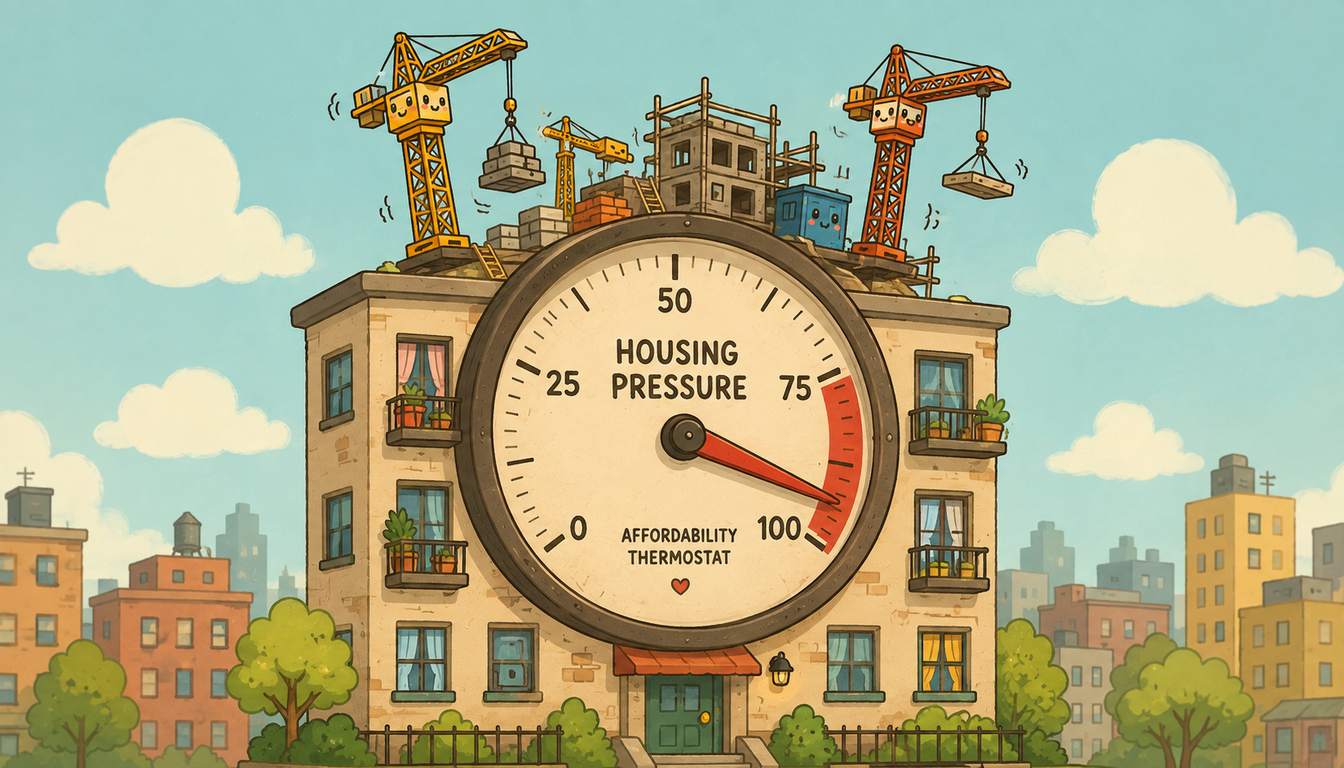
Congress just passed the biggest housing law in decades, but it came with very little money to put it to work. Last week, a plan to add $300 million a year for affordable housing also stalled in a House committee. If you rent, sit on a Section 8 waiting list, or need a lower-cost home, this affects you. Here is what happened, what could come next, and what you can do right now.
What Is the $300 Million Housing Plan?
Last week, Rep. Maxine Waters introduced H.R. 10325, a bill that would add $300 million every year to the Affordable Housing Program. This program helps pay to build, buy, and fix up homes for people with lower incomes.
The Consumer Federation of America, a consumer group that supports the bill, says the extra money would not cost taxpayers anything more. Instead, it would come from the Federal Home Loan Banks.
Who Are the Federal Home Loan Banks?
Most people have never heard of them. They are 11 regional banks that Congress created almost 100 years ago. They make low-cost loans to banks, credit unions, and insurance companies so those lenders can offer more home loans.
The system gets a lot of help from the government. The Congressional Budget Office estimates it receives about $7 billion a year in tax breaks and other benefits.
In return, the law says each bank must put at least 10 percent of its earnings into the Affordable Housing Program. The banks say they set aside $632 million for it in 2025 and gave another $507 million on their own.
Critics say that is not enough. The Consumer Federation of America notes that in 2025 the banks paid $3.5 billion in profit payouts to member banks and insurance companies, while spending less than one-third of that on housing programs. It also points out that almost half of the members no longer make home loans.
What Could $300 Million Do?
Using the current program as a guide, the Consumer Federation of America estimates the money could help each year with:
- Building about 12,500 affordable rental homes
- Down payment and closing costs for 7,000 home buyers
- Repairs for more than 600 families
These are estimates, not promises. But they show how far this kind of money can go.
The money comes with income rules. Home buyers must earn no more than 80 percent of the middle income in their area. In rental buildings, at least one in five apartments must go to households earning half of that middle income or less. Most of the grants go toward building new apartment buildings for renters, according to the Consumer Federation of America.
Why This Matters If You Are Waiting for Help
Section 8 is not the only path to an affordable home. Many affordable apartments are built with money from several sources, and programs like the Affordable Housing Program help fill the gap. More of that money means more buildings, and more buildings mean more places to apply. Less money means fewer new homes. That matters because many cities already have long waiting lists, and some are closed to new applicants.
Why Did the Bill Stall?
Republicans on the House Financial Services Committee voted against the bill last week, so it cannot move to the full House for now. Reps. Mike Flood and French Hill argued that the program's rules are too strict. They also pointed to the extra giving the banks have done in recent years.
Supporters reply that giving by choice can stop at any time, while a required amount would continue year after year.
The Bigger Problem: A New Housing Law Without Much Money
On July 11, 2026, the 21st Century ROAD to Housing Act became law. It passed the Senate 85 to 5 and the House 358 to 32. The law aims to help build more homes and lower housing costs.
Here is the catch. The National League of Cities explains that the law creates new programs but does not pay for them. The money depends on future decisions by Congress. Most changes also give federal agencies 12 to 24 months to get started, so do not expect new apartments from this law next month.
Where Section 8 Stands Right Now
Section 8, also called the Housing Choice Voucher program, helps families who qualify pay rent to a private landlord. HUD runs the program, and your local housing agency hands out the vouchers.
For the current year, Congress gave HUD $77.3 billion, including about $38.4 billion for vouchers. On September 2, the President signed a short-term bill that keeps the government funded at current levels through December 11. That means no shutdown before the November 3 elections.
After that, Congress must pass a full-year budget. The House spending plan for 2027 would give vouchers about $38.1 billion, roughly 1 percent less than this year. The final number is still open. That may sound small, but rents rise every year. Housing groups warn that flat funding can act like a cut, because the same money covers fewer families.
The bottom line: vouchers are funded through at least December 11. The fight is over how much comes after that.
What You Can Do Now
Waiting on Congress is not a plan. These steps can help you today:
- Get on more than one waiting list. Use HUD's directory of local housing agencies to find offices near you. You can apply at several, and each one has its own rules and wait times.
- Check which lists are open. Lists open and close often. Use Section 8 Search to check waiting list status in your area.
- Keep your information current. Update your address, phone number, and email with every agency. If they cannot reach you, you could lose your spot.
- Know your income limit. HUD posts income limits for every area, so you can check where you stand before you apply.
- Look at new affordable buildings. Browse our new construction listings and open unit listings to see affordable homes near you.
- Call 211. This service connects you with local rent help and emergency housing, often the same day.
- Speak up. Find your U.S. representative and tell them what housing help means to your family. Facing eviction or about to lose your home? Do not wait for Congress. Read our step-by-step guide on how to apply for emergency Section 8.
What to Watch Next
Three dates and decisions will shape what comes next:
- November 3: Midterm elections will help decide who has the most power over the budget.
- December 11: The short-term funding runs out, and Congress must pass a full budget or extend it again.
- 12 to 24 months: Federal agencies work on the new housing law, and many of its new programs still need funding.
The $300 million plan stalled this time, but the debate over housing money is far from over. How Congress funds housing in the coming months will shape how many affordable homes get built and how many families get help. Until then, the best move is to stay on waiting lists, keep your information current, and keep looking for open options.
Navigating the Section 8 housing process can feel overwhelming, and that's where Section 8 Search comes in. We're more than just a listing website; we're a dedicated resource designed to make finding housing under the Housing Choice Voucher Program straightforward and stress-free. Our platform offers user-friendly tools to explore listings and waiting list statuses nationwide, all built on official HUD data. We're also passionate about providing clear, helpful information and guidance, empowering you with the knowledge you need to understand eligibility, complete your application, and confidently navigate your housing journey.