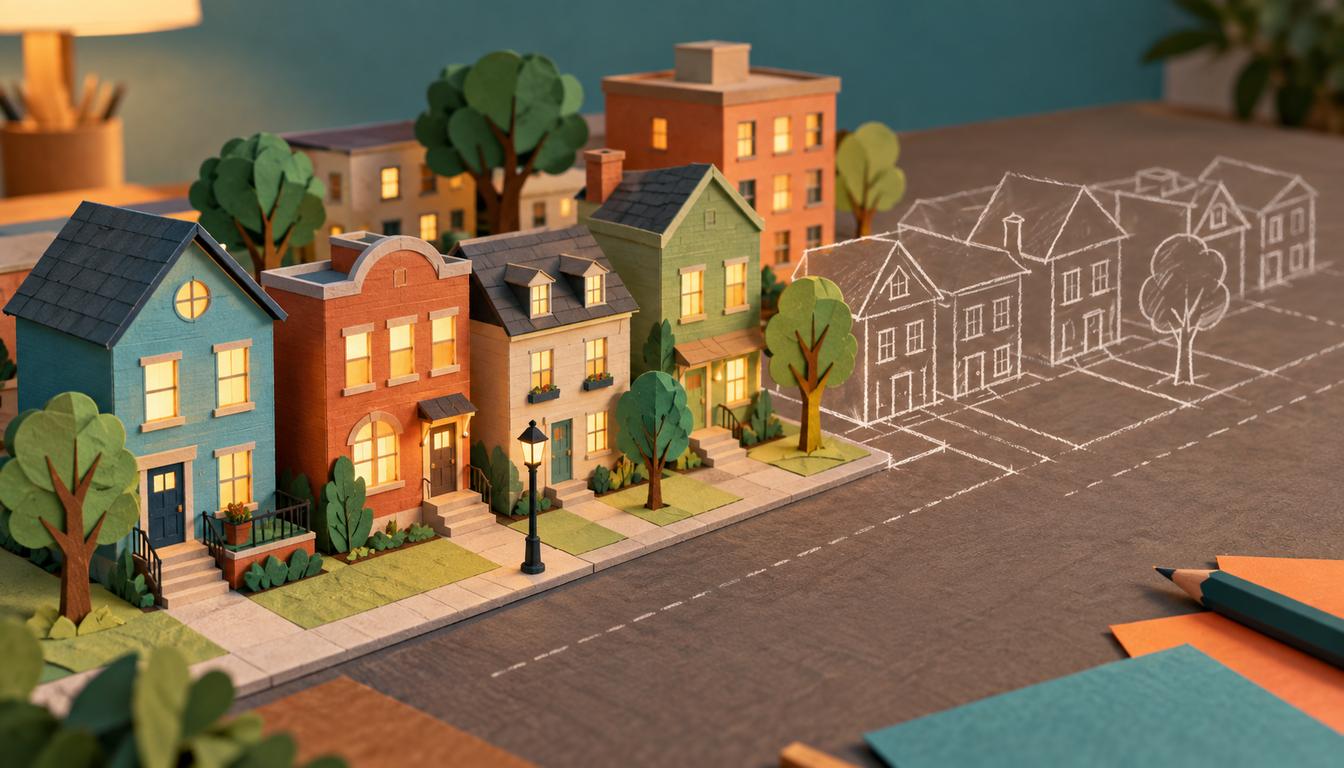

Two big federal housing agencies just agreed to work together. If you are looking for an affordable place to live, whether you rent or want to buy, here is what happened, what it could mean for you, and what you can do right now.
What Happened
On September 29, 2026, the U.S. Department of Agriculture (USDA) and the U.S. Department of Housing and Urban Development (HUD) signed a formal agreement, called a memorandum of understanding. HUD announced the agreement and said it aims to simplify the rules for environmental reviews and physical inspections tied to housing.
HUD and USDA together own or support more apartment buildings than any other group in the country, so a change in how they work can reach a lot of communities.
The agreement comes from a new law, the 21st Century ROAD to Housing Act. Congress passed it at the end of June, and it became law on July 11, 2026. One part of that law, called the “Streamlining Rural Housing Act,” told the two agencies to sign this kind of agreement.
Why Housing Costs So Much Right Now
The goal is to make it easier and cheaper to build homes, especially in rural areas. USDA Secretary Brooke Rollins said a lack of affordable housing is a big problem for much of America. HUD Secretary Scott Turner said the plan is to help builders build and buyers buy, so there are more homes and lower costs.
The need is real. WCAX reported that the national median price for a single-family home is above $434,000, which is out of reach for many families. When there are too few homes, prices and rents go up. Building more homes is one way to slow that down.
What Will Change for Builders
Right now, a builder who wants to put up affordable homes or apartments with help from both agencies can face two sets of rules. Each agency may ask for its own environmental review. Each may send its own inspector. That means extra paperwork, extra time, and extra cost.
The new agreement tries to fix that. The agencies say they want to:
- Line up their rules so builders do not repeat the same steps twice
- Cut paperwork that does not serve a real purpose
- Speed up approvals so projects can start sooner
- Make inspection standards more alike
Faster approvals can mean lower building costs. Over time, that may help more affordable homes get built.
What This Does Not Change
This part matters, so please read it closely. The agreement is about how homes get built and approved. It does not change the rules for getting help paying your rent.
- It does not change who qualifies for a Housing Choice Voucher (Section 8).
- It does not shorten waiting lists.
- It does not change how much rent you pay.
- It does not add new vouchers.
Waiting lists are still long in many areas, and you still apply through your local housing office. Any benefit from the new agreement will come slowly, as new homes are built over the coming years. Nothing here gives families faster help this month.
How USDA and HUD Help Families Today
Many people know HUD from Section 8, but USDA also runs housing help, mostly in rural areas and small towns. Here is a quick look at both.
HUD programs
-
Housing Choice Voucher (Section 8): A voucher helps pay your rent in a home you choose. HUD explains how the program works, and local housing agencies run it.
-
Public housing and assisted apartments: These are apartments where rent is based on your income. USDA programs
-
Home loans for low-income buyers: USDA’s Single Family Housing Direct Home Loans help families with low incomes buy a home in a rural area.
-
Rural rental apartments: USDA backs apartment buildings where some tenants get help paying rent. You can read about them on the USDA Multifamily Housing page.
-
Rural rental help: A Congressional Research Service report on USDA rural housing programs explains how rental help works in USDA buildings.
The government’s idea of “rural” can include small towns and some places you might not expect. You can check your address on the USDA property eligibility site.
What You Can Do Right Now
While the new agreement works its way through the system, you can move forward with your own search. Here are steps that help.
1. Get on every waiting list you can. Many areas let you apply to more than one housing agency. Use HUD’s local housing agency contact list to find agencies near you. Ask whether their list is open, since many lists open only for a short time.
2. Gather your papers early. Most applications ask for ID, Social Security numbers, proof of income, and your rental history. Keep copies together in one folder so you can apply quickly when a list opens.
3. Keep your contact information current. If a housing office cannot reach you, they may remove you from the list. Tell them right away if you move or change your phone number, and check your mail often.
4. Look beyond Section 8. Check for USDA-backed apartments, public housing, and apartments built with tax credits. Some have shorter waits than vouchers.
5. Call 211 for local help. The free 211 service connects you to rent help, food, and other support near you.
6. If you want to buy, look at rural loan options. If you live in an eligible area and have a low income, a USDA loan may let you buy with little or no down payment. Check the USDA site above, and ask a HUD-approved housing counselor for free advice before you apply.
Need Housing Help Fast?
Some situations cannot wait for a long list or a new law. If you are facing homelessness, a fire, a dangerous home, or another urgent problem, there are steps you can take right away. Read our guide: How to Apply for Emergency Section 8: A Step-by-Step Guide.
Watch for These Signs of Progress
This agreement is a starting point. Here is what to look for in the months ahead:
- New building projects in rural areas. If rules get simpler, more developers may take on affordable projects in small towns.
- Updates from HUD and USDA. The agencies are expected to share more details on how they will line up their rules. Check HUD.gov and USDA Rural Development for news.
- Local news. Your city or county may announce new housing projects. Sign up for alerts from your local housing agency.
Be careful of anyone who says this agreement gives you faster access to a voucher, or who asks you to pay a fee to “jump the line.” Real housing agencies do not charge to put you on a waiting list. If something sounds too good to be true, it likely is. You can report housing scams to the Federal Trade Commission.
The Bottom Line
The new USDA and HUD agreement will not lower your rent this week. What it can do is help builders put up more affordable homes with fewer delays, and that matters over the long run, especially in rural areas where housing is hard to find.
For now, the best move is to stay active in your own search. Join waiting lists, keep your papers ready, and look at every program you may qualify for. Use Section8Search.org to find affordable housing options near you, and check back often as new programs and updates come in.
This article is for general information only. Program rules and waiting lists vary by location, so contact your local housing agency for the most current details.
Navigating the Section 8 housing process can feel overwhelming, and that's where Section 8 Search comes in. We're more than just a listing website; we're a dedicated resource designed to make finding housing under the Housing Choice Voucher Program straightforward and stress-free. Our platform offers user-friendly tools to explore listings and waiting list statuses nationwide, all built on official HUD data. We're also passionate about providing clear, helpful information and guidance, empowering you with the knowledge you need to understand eligibility, complete your application, and confidently navigate your housing journey.