
Public housing across the country is getting a new source of repair money. On August 28, 2026, the U.S. Department of Housing and Urban Development (HUD) released Notice PIH 2026-23. It makes it easier for local housing agencies to bring in private funding for aging buildings. If you live in public housing, use a Section 8 voucher, or are waiting for affordable housing, here is what changed and what to do next.
Why Public Housing Needs Repairs
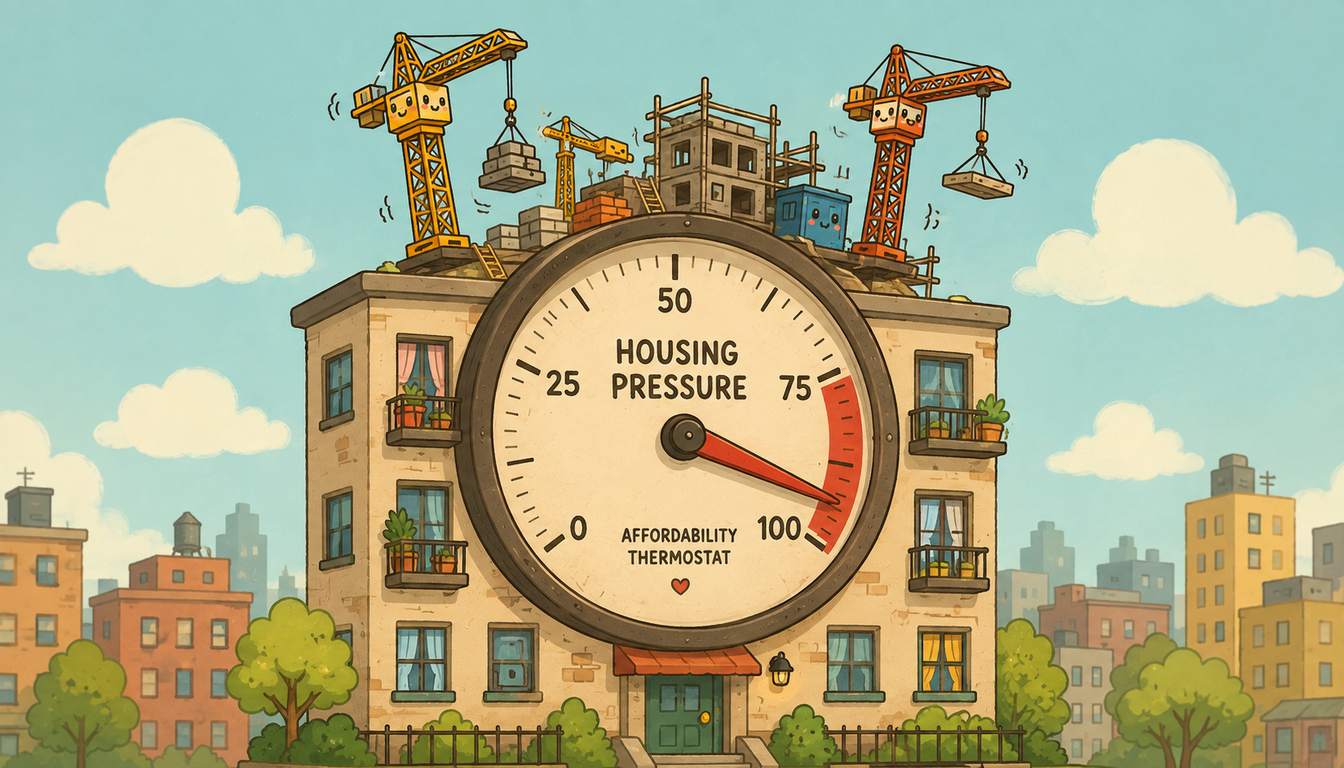
About 1.2 million households live in public housing, and more than 3,300 local housing agencies manage it, according to industry reports. Many of these buildings are decades old. HUD's estimated repair backlog is about $170 billion. Federal funding has not kept up, so broken heating, old plumbing, and worn roofs can drag on for years. This update gives housing agencies more ways to pay for fixes.
What Is Section 18?
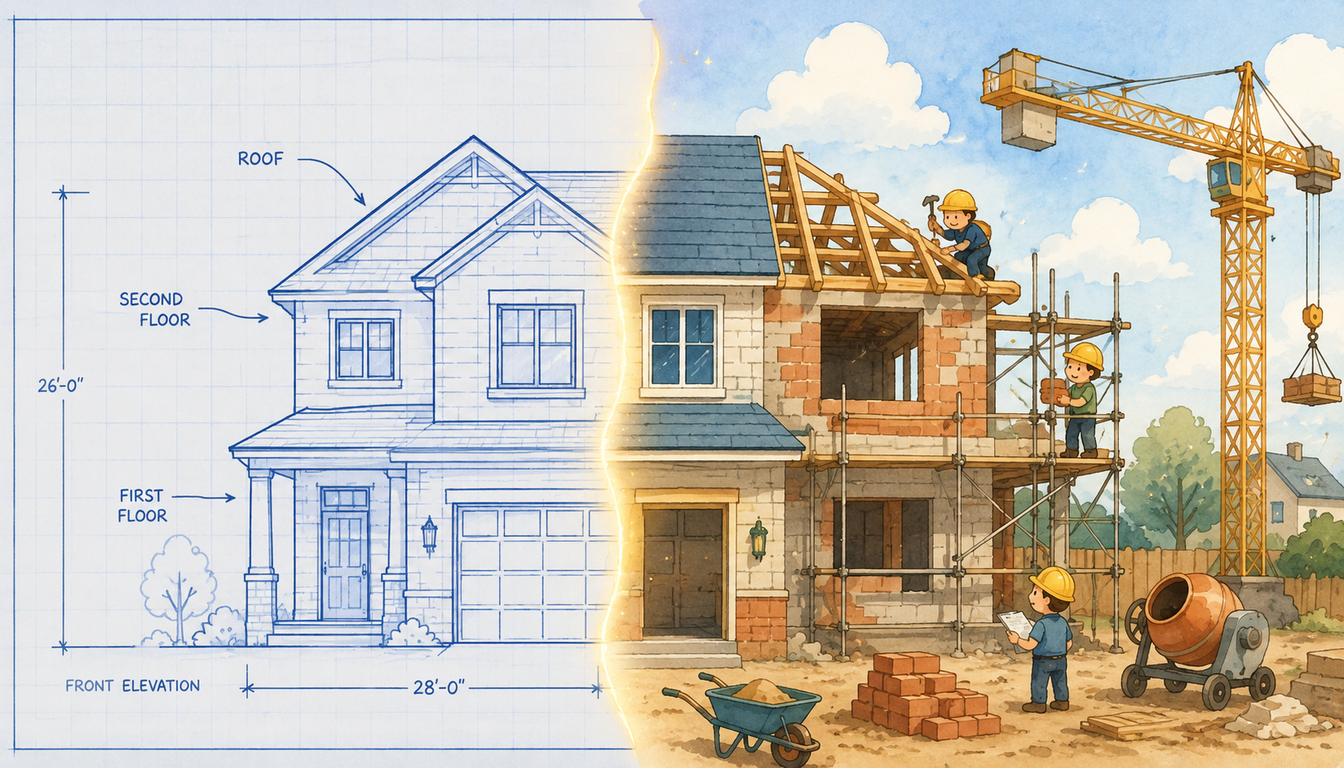
Section 18 is a federal rule that lets a housing agency, with HUD's approval, tear down or sell public housing buildings it cannot afford to fix. The site can then be repaired or rebuilt, often with money from banks and private investors.
Residents are not left on their own. Families may receive Tenant Protection Vouchers. These work like regular Section 8 vouchers: they help pay your rent, and you choose a home that meets program rules. Under HUD's Housing Choice Voucher program, you usually pay about 30% of your adjusted monthly income toward rent.
These vouchers do not come automatically. The housing agency has to apply for them separately, and how many it gets depends on available funding.
What Changed in the New HUD Notice
The update opens Section 18 to more properties in three main ways.
1. Older buildings with outdated designs. Buildings finished in 1950 or earlier may now qualify if their design problems can only be fixed by rebuilding. HUD's examples include bedrooms with no closets, very small bedrooms, only one bathroom in a home with three or more bedrooms, and poor wheelchair access. The cost of the fixes must be more than about 57% of the cost of building new for buildings without elevators, or 62.5% for buildings with elevators. Industry reports say roughly 270,000 public housing homes are old enough to be considered. HUD also checks that the project will not shrink the supply of affordable homes for lower-income families.
2. Very small housing agencies. Agencies with 75 or fewer public housing homes can now close out their public housing program. The old limit was 50. Small groups of scattered homes that are hard to maintain also get more room. Up to six homes now count, up from four.
3. Buildings paid for with tax credits. Some public housing was built with help from the Low-Income Housing Tax Credit, a federal program that encourages investors to fund affordable homes. When the 15-year tax credit period ends, or 15 years pass since the last major rebuild, and the agency shows it lacks the money for repairs, the property can now use Section 18. Before this update, that path was not clearly spelled out.
Why HUD Made This Change
Congress sets aside money for public housing every year, and the amount can change. Vouchers give a building a steadier stream of rent payments, which makes banks, tax credit investors, and developers more willing to put money in. Experts quoted in industry news expect interest from all three groups. Housing agencies that own empty land could also use it to build new affordable homes.
Still, this is not a quick fix. How much the new rules get used depends on each agency, the cost of each project, and whether financing can be found. HUD's own notice says most agencies choose to keep, repair, or replace public housing rather than close it.
What It Means If You Live in Public Housing
Nothing happens overnight. Before an agency can change your building, it must hold a public hearing, meet with residents, and get HUD's approval. It cannot move residents out before that approval comes. You can also send written comments, and the agency must consider them.
If you do have to move, HUD's rules say:
- You must get written notice at least 90 days before you have to move, unless there is an immediate danger to health or safety.
- The agency must offer a comparable home that meets HUD's quality standards, in an area that is not less desirable than where you live now.
- The agency must pay your reasonable moving costs.
- You must get help finding a new home.
- If new homes are built to replace yours, you have a first right to return.
- Meetings and paperwork must be accessible to people with disabilities, and residents who do not speak English well must get language help.
These rules can differ when other federal funds are involved, so ask your housing agency to explain your situation in writing.
What It Means If You Are Waiting for Housing
If you are on a waiting list or planning to apply, the basics have not changed. Your local housing agency runs the application process, and rules and wait times differ from place to place. Section 8 vouchers still help pay rent for a home you choose from a private landlord. Public housing and voucher waiting lists are often separate, so ask your agency about each one. Also ask whether you may apply to more than one agency.
Over time, rebuilt buildings and new homes on unused land could add more affordable options in some communities. The Center on Budget and Policy Priorities notes that Section 8 is still the nation's largest source of rental help, so vouchers remain a key part of the picture.
5 Steps to Take Now
- Find your housing agency. Use HUD's public housing agency directory or call (800) 955-2232. You can also read USAGov's public housing page to learn how applying works.
- Ask direct questions. Ask if your building is being looked at for Section 18. Go to resident meetings and public hearings, and speak up.
- Keep your information current. Update your address, phone number, and email with your housing agency, and open every letter. A missed notice can put your spot at risk.
- Get free advice. A HUD-approved housing counselor can help you understand your options. Call (800) 569-4287 or visit HUD's contact page.
- Watch for scams. Applying for housing help is free. Anyone who charges a fee to "guarantee" a voucher is not legitimate. Report scams to the Federal Trade Commission.
The Bottom Line
HUD's update is a big shift in how aging public housing may be paid for. For most families, change will come slowly and one property at a time. Stay informed, ask questions early, and know your rights.
Need housing help right now? Read our other article, How to Apply for Emergency Section 8: A Step-by-Step Guide, to see how emergency requests work and what to do first.
Navigating the Section 8 housing process can feel overwhelming, and that's where Section 8 Search comes in. We're more than just a listing website; we're a dedicated resource designed to make finding housing under the Housing Choice Voucher Program straightforward and stress-free. Our platform offers user-friendly tools to explore listings and waiting list statuses nationwide, all built on official HUD data. We're also passionate about providing clear, helpful information and guidance, empowering you with the knowledge you need to understand eligibility, complete your application, and confidently navigate your housing journey.