
Housing costs in the United States are still one of the biggest worries for families across the country. Every year, buyers hope the market will finally get easier. But new numbers for 2027 show that renters and buyers looking for affordable housing may need to keep planning carefully instead of waiting for prices to drop.
Below, we break down what is really happening with home prices and mortgage rates in 2027, and what it means for people who rely on affordable housing programs like Section 8.
Mortgage Rates Are Not Dropping Much in 2027
Many people have been waiting for mortgage rates to fall before buying a home. Unfortunately, that relief is not coming soon.
Fannie Mae now expects the average mortgage rate to stay around 6.7% in 2027. That is higher than what Fannie Mae predicted just a month earlier, when it expected rates closer to 6.3%. The Mortgage Bankers Association shares a similar outlook, also predicting rates near 6.7% next year.
In simple terms, this means monthly mortgage payments will likely stay high for the average buyer. A jump of even half a percentage point can add hundreds of dollars to a monthly payment.
Why are rates staying high? A big reason is inflation. Prices for everyday goods and services have grown faster than the government's target rate. When inflation stays high, lenders raise interest rates to protect their money. Mortgage rates are closely tied to the yield on U.S. Treasury notes, which react to inflation expectations and overall economic conditions.
Ongoing global trade tensions and international conflicts are also making it harder for experts to predict where rates will go, adding more uncertainty for buyers trying to plan ahead.
Home Prices Are Cooling, But Not Enough
There is a small piece of good news. Home prices have actually been falling slightly compared to last year in many parts of the country. However, experts say this small drop is not enough to offset high mortgage rates.
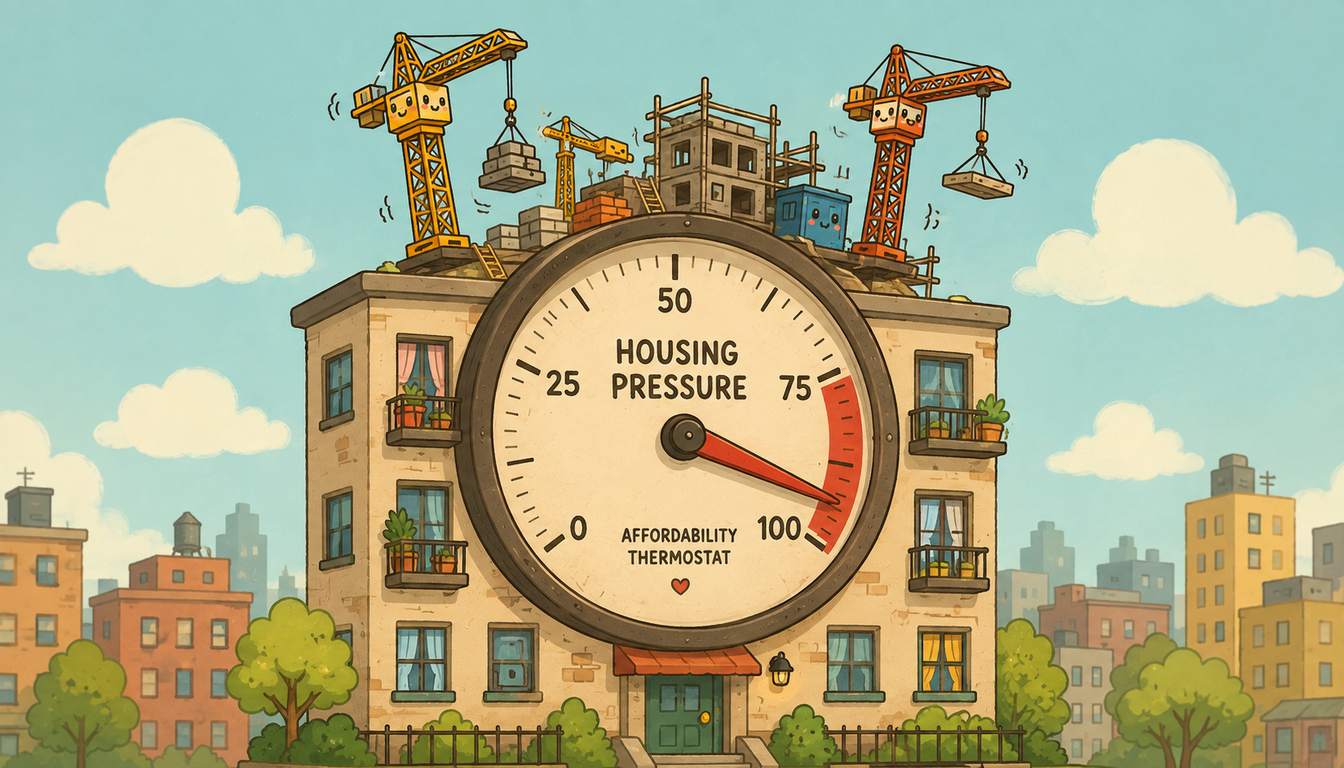
The real challenge for most families isn't just the price tag on a home. It's the combination of high prices and high borrowing costs at the same time. Even if a home costs a little less, a high interest rate can still make the monthly payment unaffordable for many working families.
This is exactly why renting, especially through affordable housing programs, remains such an important option for millions of people in 2027.
What This Means If You're Looking for Affordable Housing
If buying a home feels out of reach right now, you're not alone. Many families are choosing to stay in rental housing longer while they save money and wait for better conditions. Renting through a program that helps lower your monthly cost can make a big difference.
The Housing Choice Voucher Program, often called Section 8, helps eligible low-income families, seniors, and people with disabilities pay for safe, decent housing in the private market. Instead of waiting years to save for a down payment in a market with high rates, many households find more stability through housing assistance while they build savings.
You can check your eligibility and learn how vouchers work directly through the U.S. Department of Housing and Urban Development at hud.gov. HUD also maintains a directory of local Public Housing Agencies (PHAs) that manage waiting lists and applications in your area.
If you're not sure where to start, USA.gov offers a simple overview of housing help options, including emergency rental assistance and other support programs.
Rising Rents Make Vouchers Even More Valuable
As homeownership becomes harder to reach, more people are competing for rental units, which can push rent prices up too. This makes programs like Section 8 even more valuable in 2027, since they help protect families from sudden rent increases.
Each year, HUD calculates Fair Market Rents (FMRs) for different areas of the country. These numbers help determine how much rental assistance a family can receive based on where they live. You can look up the Fair Market Rent for your city or county through HUD's official FMR lookup tool at huduser.gov.
Knowing your area's Fair Market Rent can help you understand what kind of housing you may qualify for and whether a landlord's asking price is reasonable for your voucher amount.
Should You Wait to Buy a Home?
Some financial experts suggest that if you are financially ready and have found a home you can comfortably afford, waiting for rates to drop may not be worth it. Nobody knows exactly when rates will fall, and they could stay elevated for longer than expected.
For many families, though, buying simply isn't realistic right now, and that is completely normal. Focusing on stable, affordable rental housing while building savings and credit is a smart and practical path. Programs like Section 8 exist specifically to support that path.
If you are currently receiving housing assistance or applying for it, it also helps to understand your rights as a tenant. The Consumer Financial Protection Bureau offers free, easy-to-understand guides on renting, credit, and housing costs at consumerfinance.gov.
What to Watch for the Rest of 2027
Here are a few things that could affect affordable housing and rental assistance later this year:
- Inflation reports: If inflation slows down, mortgage rates could ease, which may reduce pressure on the rental market too.
- Local Fair Market Rent updates: HUD updates these numbers periodically, and changes can affect voucher amounts in your area.
- State and local housing programs: Some states offer additional rental assistance beyond federal programs. Checking with your local housing authority can uncover extra help.
- New construction: Housing starts have slowed nationally, which could keep both rental and purchase prices elevated for longer.
Staying informed about these changes can help you make better decisions, whether you're applying for a voucher, renewing your housing assistance, or simply trying to plan your budget for the months ahead.
The Bottom Line
The 2027 housing market is not offering the relief many families were hoping for. Mortgage rates remain high, and while home prices are cooling slightly, it isn't enough to make buying easy for most people. This makes affordable rental housing, especially through programs like Section 8, an important option for families trying to find stability without taking on unaffordable debt.
If you're currently in the process of applying for housing assistance or need help quickly, we also put together a helpful guide on emergency Section 8 applications. You can read it here: How to Apply for Emergency Section 8: A Step-by-Step Guide.
Understanding both the housing market and the assistance programs available to you can help you make the right choice for your family, whether that means renting, applying for a voucher, or continuing to save toward homeownership.
Navigating the Section 8 housing process can feel overwhelming, and that's where Section 8 Search comes in. We're more than just a listing website; we're a dedicated resource designed to make finding housing under the Housing Choice Voucher Program straightforward and stress-free. Our platform offers user-friendly tools to explore listings and waiting list statuses nationwide, all built on official HUD data. We're also passionate about providing clear, helpful information and guidance, empowering you with the knowledge you need to understand eligibility, complete your application, and confidently navigate your housing journey.