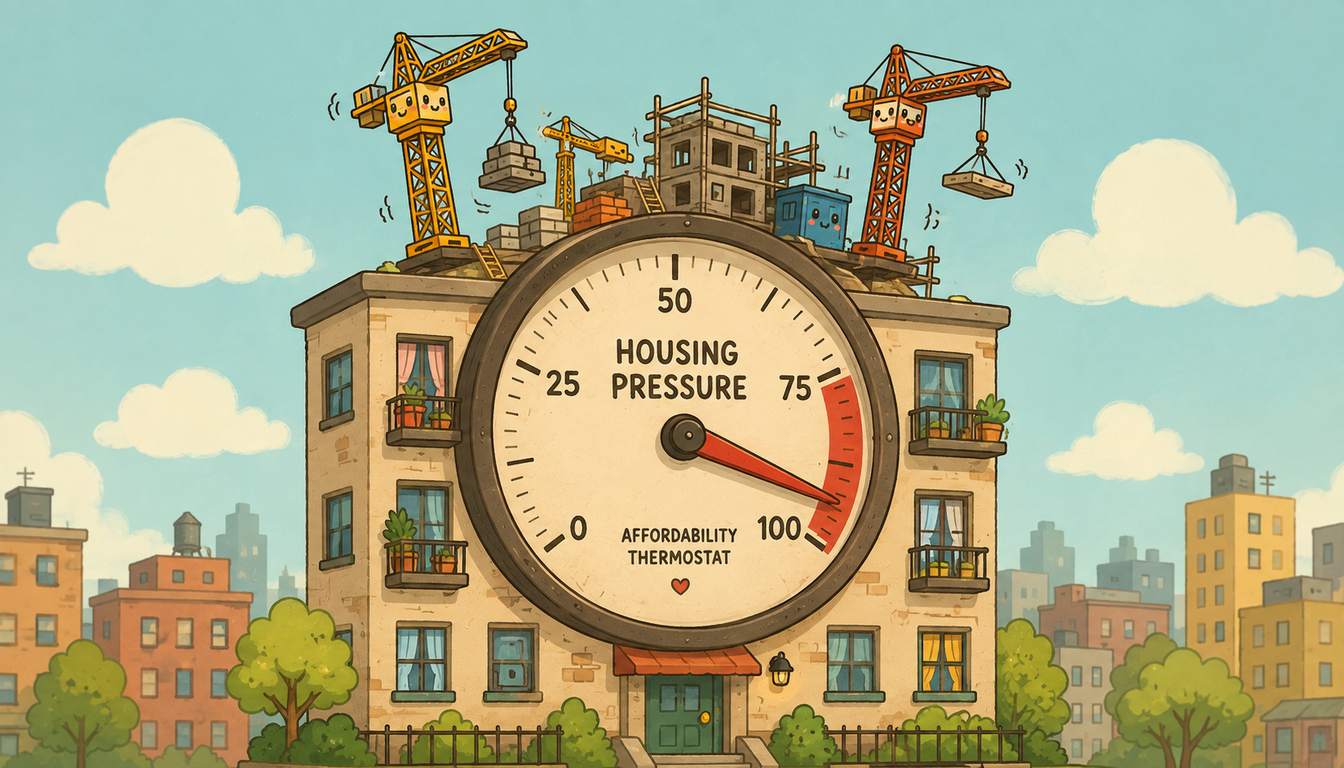

Affordable housing and Section 8 stayed in the headlines this week, from Washington to California to small cities in the Midwest. There was news about vacant apartments, new laws, state grants, and a growing fight over work rules for renters who use housing assistance. Here's a look at what happened and what it means for renters, homeowners, and anyone watching the affordable housing crisis unfold.
The Strange Problem of Empty "Affordable" Homes
One of the biggest stories this week is also one of the most frustrating. A new Associated Press report found that America's poorest renters can't find housing even while some income-restricted units sit empty. The reason is simple but painful: most low-income housing built in recent years was designed for people earning at least half of an area's median income. That price point is still too high for the poorest families. So while landlords struggle to fill some units, the people who need help the most are left out in the cold.
A related piece looked at how thousands of affordable homes across the country are sitting vacant while renters remain homeless, pointing to the same root cause. Rents on these "affordable" units are creeping close to market rate, so some qualified renters choose regular apartments instead, since they come with fewer income checks and faster approvals. A separate wire story confirmed the same trend, describing the growing affordable housing shortage hitting the lowest-income Americans hardest. Experts quoted in these stories agree on one fix: more funding for rental vouchers that actually reach the people who need them most.
HUD Opens the Door to Private Money
The U.S. Department of Housing and Urban Development made a major change to how public housing gets funded. Under updated rules, HUD is now allowing public housing agencies to bring in more private capital to fix up aging buildings. This matters because public housing has an estimated $170 billion repair backlog nationwide, and Congress hasn't been keeping up with the need. The rule change lets more buildings, including many built before 1950, qualify for a program called Section 18, which can shift them toward voucher-backed funding and open the door to private developers and lenders. Separately, HUD loosened rules to make it easier for public housing to attract private capital, a move real estate insiders say could reshape how older public housing properties get renovated in the years ahead.
A Big New Federal Housing Law Starts to Take Shape
Congress passed a sweeping housing bill earlier this year, and cities are now figuring out what it means for them. The 21st Century ROAD to Housing Act includes dozens of provisions meant to boost housing supply, unlock private capital, and cut red tape. Among the changes: it makes the Rental Assistance Demonstration program permanent, raises the number of units that can convert to Housing Choice Vouchers, expands eligibility for federal home repair grants, and bars large investment companies from buying up single-family homes.
But experts say families shouldn't expect fast relief. A report on how a new housing law aims to ease the affordability crisis noted that most of the law's provisions won't kick in until January 2027, and even then it will take time for new construction to reach the market. In the meantime, cities like Rome, New York, are trying their own fixes, including local down payment assistance programs to help first-time buyers get into homes.
California Moves to Protect Section 8 Renters From Work Rules
One of the most closely watched stories this week comes out of Sacramento. Lawmakers sent Governor Gavin Newsom a bill that would make California the first state to bar work requirements for Section 8 housing choice voucher renters. The bill responds to a HUD proposal that would let local housing agencies require non-disabled adults to work up to 40 hours a week and cap rental assistance at as little as two years. Newsom has until the end of September to sign or veto it.
The stakes are high in places like San Diego, where the local housing commission had to close its Section 8 waiting list after it topped 76,000 applicants. If you or someone you know is trying to navigate a strained voucher system like this, it helps to understand the process for urgent situations. Our guide on how to apply for emergency Section 8 assistance walks through the steps for getting help faster when you're facing a housing crisis, which can make a real difference while state and federal rules continue to shift.
States and Cities Are Funding New Affordable Housing
Away from the policy fights in Washington and Sacramento, a lot of on-the-ground progress happened this week too.
In Illinois, lawmakers and labor leaders celebrated a new law that lets the state treasurer invest state funds directly into affordable housing projects through the AFL-CIO Housing Investment Trust. The fund has already helped finance more than a thousand affordable units across the state, including a major Chicago high-rise that will set aside 20 percent of its units for lower-income households.
In California, the state celebrated the grand opening of new state-funded affordable homes for seniors, part of an ongoing push to turn old, polluted land into livable housing. The state's Department of Toxic Substances Control has cleaned up dozens of contaminated sites in recent years to make way for exactly this kind of project.
Los Angeles County took a different approach to funding. The Los Angeles County Affordable Housing Solutions Agency issued its first $220 million social bond to help finish more than 1,500 units of affordable housing that had stalled due to rising costs and interest rates. The money will support more than 20 developments across the county, including housing for seniors, families, and people who have experienced homelessness.
Out in Utah, a smaller but notable deal is taking shape. Washington City partnered with a private developer and the state land agency to build affordable starter homes, aiming to sell homes for around $425,000 to $450,000, well below the county's median home price. The city is using a new state infrastructure loan program to cut construction costs and pass the savings on to buyers.
And in Michigan, housing advocates are watching closely as federal policy changes could affect housing assistance for low-income Michiganders, with local officials warning that shifts at HUD could ripple down to families who depend on rental assistance across the state.
Factory-Built Homes Are Having a Moment
The affordability squeeze is also changing how homes get built in the first place. A new report shows that demand for factory-built affordable housing is rising fast, with major manufacturers reporting strong sales growth this year. Factory-built homes are often much cheaper than site-built homes, and companies in the space are expanding their reach into new states as buyers look for lower-cost ways into homeownership.
Affordability Becomes a Midterm Campaign Issue
Finally, housing costs are shaping up to be a defining issue in this year's elections. A new report on how housing affordability is influencing the 2026 midterm campaigns shows candidates from both parties leaning hard into cost-of-living messaging, with housing prices, rent, and mortgage rates near the top of voters' concerns nationwide.
What It All Means
This week's news shows a housing system pulled in different directions. Federal lawmakers passed a big new housing law, but most of its benefits are still more than a year away. HUD is opening the door to private money for public housing, while also pushing new work rules that could make it harder for some renters to keep their Section 8 vouchers. States and cities, meanwhile, keep finding their own ways to add affordable units, whether through state investment funds, local bonds, or partnerships with private developers.
For renters and voucher holders, the message is the same as it's been for a while: stay informed, know your local rules, and don't wait to reach out for help if you're in a tight spot. Programs and policies are shifting fast, and getting good information early can make all the difference.
Navigating the Section 8 housing process can feel overwhelming, and that's where Section 8 Search comes in. We're more than just a listing website; we're a dedicated resource designed to make finding housing under the Housing Choice Voucher Program straightforward and stress-free. Our platform offers user-friendly tools to explore listings and waiting list statuses nationwide, all built on official HUD data. We're also passionate about providing clear, helpful information and guidance, empowering you with the knowledge you need to understand eligibility, complete your application, and confidently navigate your housing journey.