The U.S. Department of Housing and Urban Development (HUD) just made a move that could change how fast new apartments get built — and how much they cost. On September 1, 2026, HUD announced a change to a housing rule that has been in place for more than ten years. Here's what happened, why it matters, and what it could mean for you if you're searching for an affordable place to live.
What Did HUD Just Change?
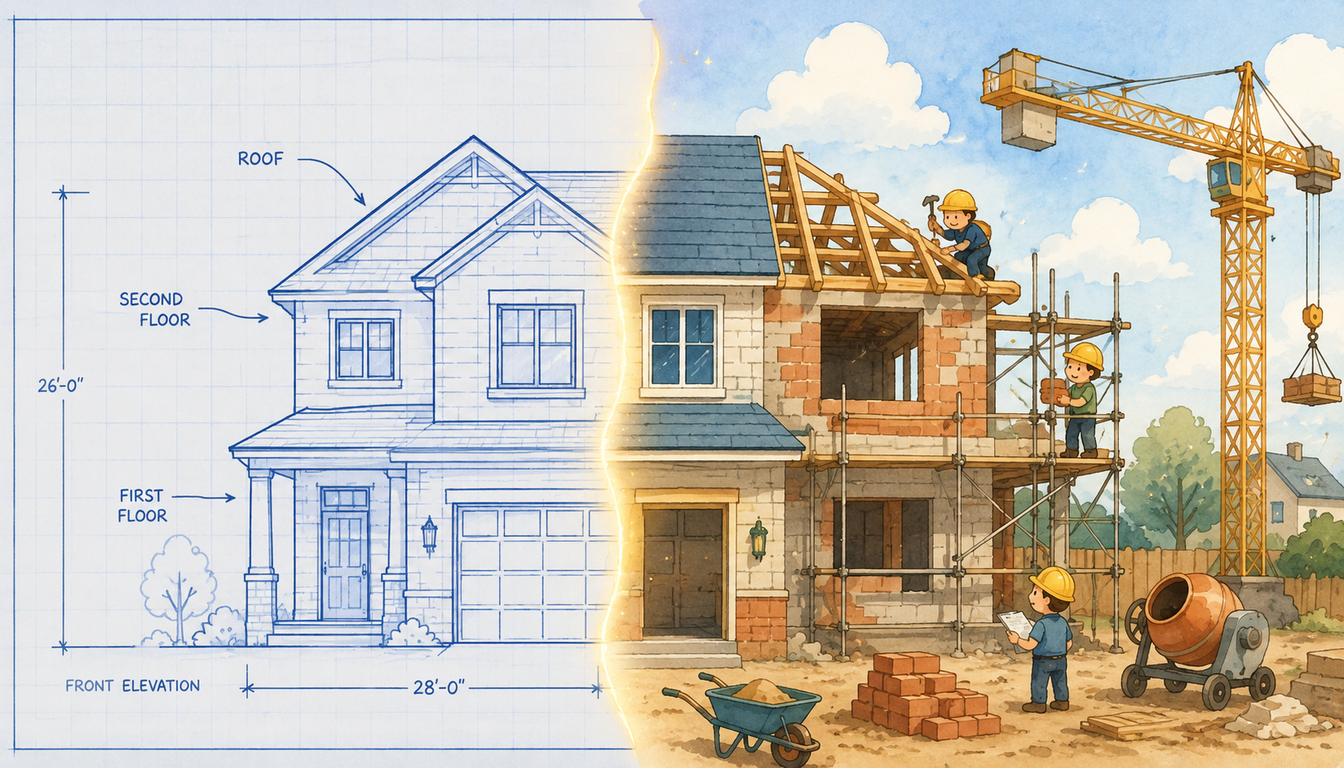
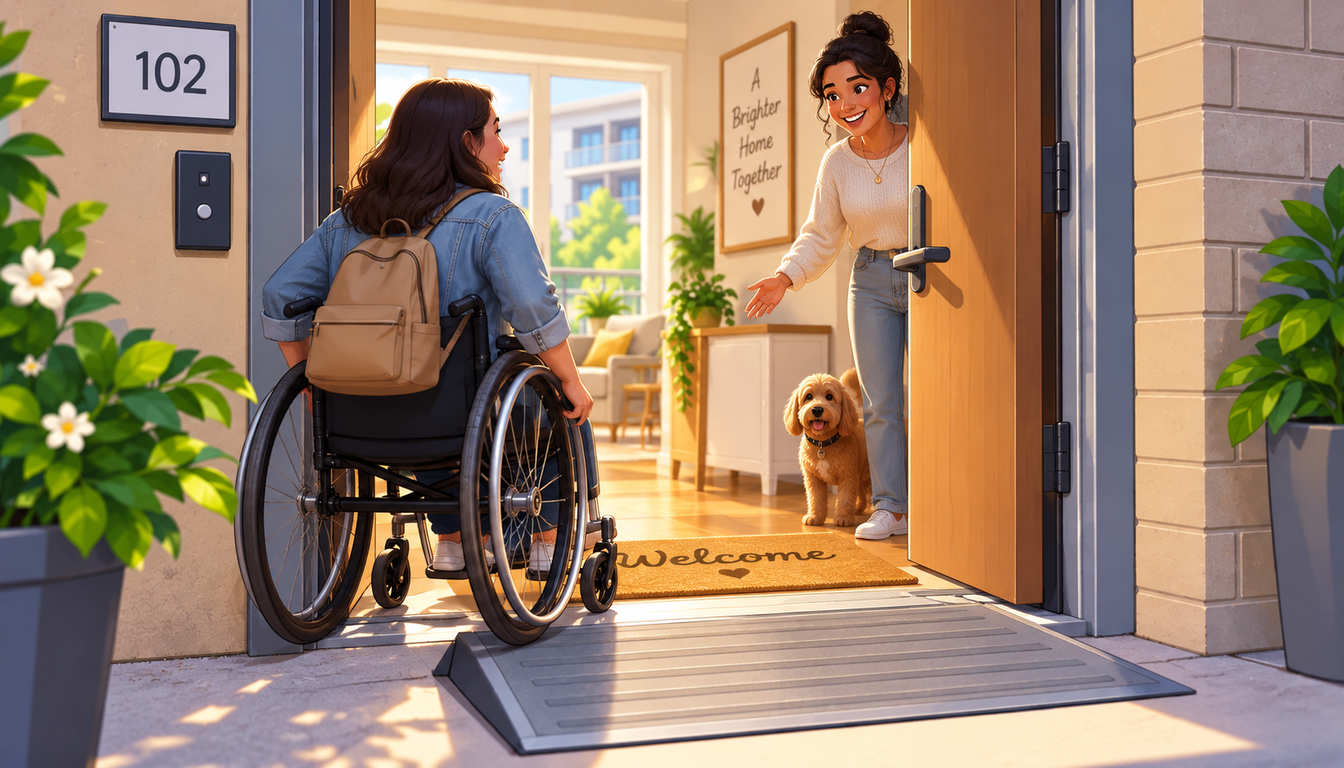
The change is about the Fair Housing Act, a federal law that protects people from housing discrimination. Part of this law says that new apartment buildings with four or more units must be built with certain accessibility features, like wider doorways and reachable light switches, so people with disabilities can live there comfortably.
If a building doesn't meet these standards, someone can file a complaint. Until now, there was no clear deadline for filing that complaint. A person could report a problem years after a building was finished, even if the current owner had nothing to do with the original construction.
Under the new guidance from HUD's Office of Fair Housing and Equal Opportunity, that has changed. Complaints must now be filed within one year of the date a building receives its certificate of occupancy — the official paperwork that says a building is finished and ready for people to move in. HUD says the old approach cost building owners more than $110 million in repair costs over the past five years, even in cases where the current owner didn't build the property.
Why HUD Says This Helps Affordable Housing
HUD Secretary Scott Turner said the goal is to bring down the cost of building, buying, and renting a home. When it costs more to build or fix a property, those costs often get passed along to renters through higher rent. By putting a clear time limit on these claims, HUD hopes builders and property owners will have more certainty about their legal risk, which could make them more willing to build new housing, including affordable units.
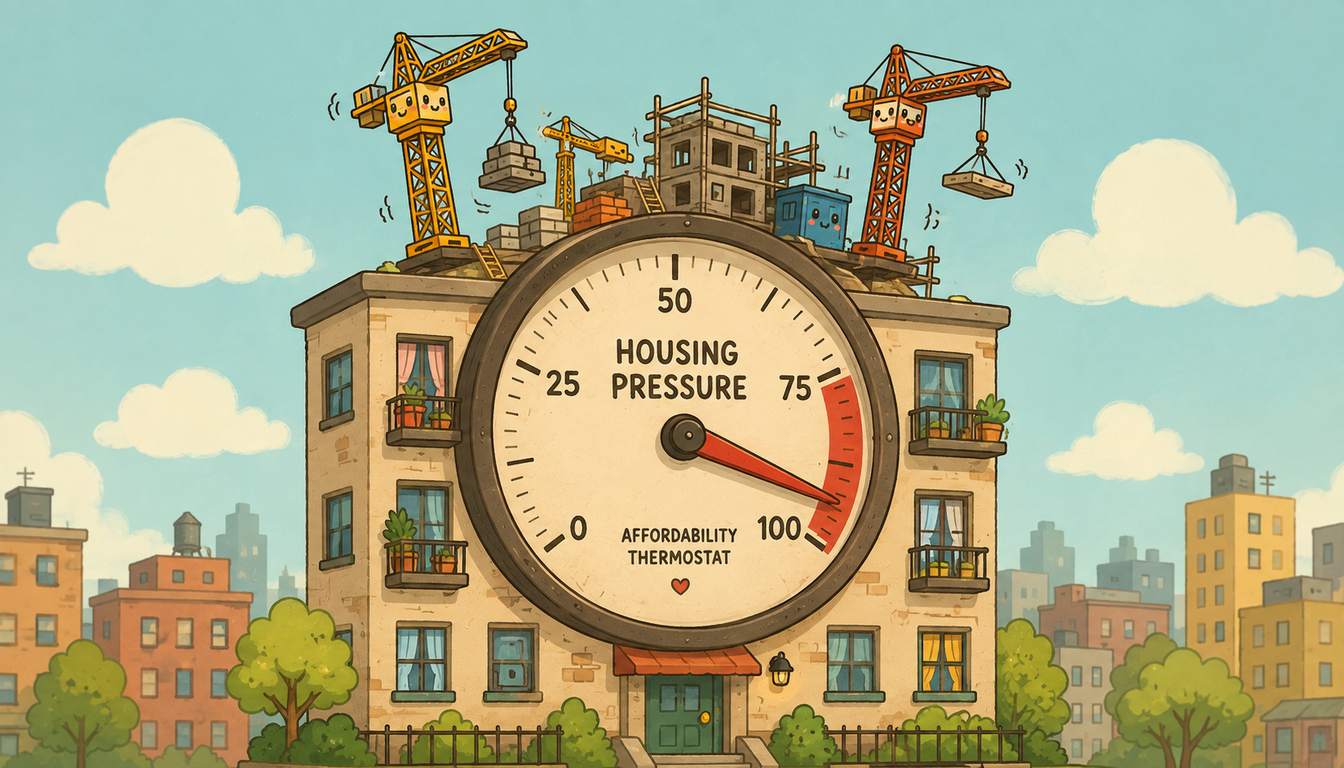
This fits into a bigger conversation happening across the country right now. The United States has a shortage of affordable homes, and building costs, land prices, and red tape all play a role in how slowly new housing gets built. You can see how your own state is affected by browsing HUD's state-by-state housing data.
Think of it this way: every dollar a builder spends on legal risk, repairs, or insurance is a dollar that isn't going toward building new homes. Developers often factor in these extra costs before they even break ground. If those costs are unpredictable, some builders may choose not to build at all, or they may build fewer units than planned. Fewer units mean less competition among renters, which can push rents higher across the board — not just for market-rate apartments, but for affordable and voucher-friendly housing too.
HUD's argument is that a clear, one-year deadline removes some of that unpredictability. Builders will know exactly how long they could be exposed to a claim after a project is finished, instead of facing the possibility of a complaint five, ten, or even twenty years later. Whether that translates into more affordable homes being built remains to be seen, but it's the reasoning behind the decision.
What Fair Housing Advocates Are Saying
Not everyone agrees with the change. Fair housing groups, including the National Fair Housing Alliance, have pushed back, saying a shorter filing window makes it harder for people with disabilities to report buildings that were never built the right way in the first place. Their concern is that once the one-year window closes, there may be fewer ways to hold a building accountable for accessibility problems, even if those problems are still there.
Home builder groups, on the other hand, say the change simply brings clarity. They argue it was never fair to hold a current property owner responsible for a construction mistake made by someone else, sometimes decades earlier. Groups like the National Association of Home Builders have said the new guidance gives owners, lenders, and developers more certainty when financing or purchasing a property.
Fair housing advocates see it differently. They point out that accessibility barriers, like a doorway that's too narrow for a wheelchair or a bathroom that can't be safely used by someone with limited mobility, don't go away just because a year has passed. Once the filing window closes, a person with a disability may have no way to formally challenge those barriers through HUD's administrative process, even though the building may still be difficult or unsafe for them to live in. Advocacy groups argue this shifts the burden onto renters and buyers to notice and report problems quickly, rather than holding builders accountable for getting it right the first time.
Both sides agree on one thing: this rule affects how much it costs to build and maintain housing in America, which directly connects to how much affordable housing is available. Where they disagree is on whether the trade-off is worth it.
What This Means If You're Looking for Section 8 or Affordable Housing
You might be wondering how a rule about building codes connects to your search for an apartment. Here's the honest answer: it's part of a much larger picture.
Rules like this one affect how willing developers are to build new units, including units that accept Housing Choice Vouchers (commonly called Section 8). When building costs go up, fewer new units get built, and waiting lists for affordable housing can grow longer. When building costs come down, more housing — including affordable housing — has a better chance of getting built.
This doesn't change your Section 8 voucher, your current lease, or your rights as a tenant today. Fair housing protections against discrimination are still fully in place. If you believe you are facing housing discrimination right now, you can still file a complaint through HUD's Office of Fair Housing and Equal Opportunity or call their complaint line at 1-800-669-9777.
What this rule really shows is how connected housing policy is to housing supply. If you're searching for affordable housing today, the most useful thing you can do is stay informed about your local housing authority's waiting list status and keep your application materials ready.
How to Stay on Top of Affordable Housing Opportunities
Here are a few simple steps that can help you while you search:
- Check your local Public Housing Agency (PHA). Every area has one, and they manage Section 8 waiting lists. You can find yours through HUD's PHA contact tool.
- Look into accessible housing listings. If accessibility is a concern for you or a family member, HUD's Fair Housing First website explains accessibility requirements for new buildings in plain terms.
- Watch for new affordable housing developments in your area. As building rules shift, some regions may see new units become available. Local housing nonprofits and your city's housing department are good places to check for updates.
- Keep your paperwork ready. Income statements, ID, and proof of residency are usually needed for any housing application, so having them ready can save time when a spot opens up.
If you're already in the process of applying for help and need it quickly, take a look at our other guide on how to apply for emergency Section 8 assistance step by step — it walks you through what to do if you need housing help right away.
Common Questions About This Change
Does this affect my current Section 8 voucher? No. This rule is about how long someone has to file an accessibility complaint about how a building was originally constructed. It does not change how vouchers work, how waiting lists are managed, or your rights as a current tenant.
Does this mean new apartments won't have accessibility features anymore? No. Builders are still required to follow accessibility standards under the Fair Housing Act when they design and build new multifamily housing. This change only affects how long someone has to file a formal complaint if those standards weren't followed.
Can I still report a housing problem today? Yes. If you believe you're facing housing discrimination of any kind right now, including issues unrelated to building design, you can still file a complaint with HUD at any time. The one-year window applies specifically to design and construction accessibility claims tied to a building's certificate of occupancy.
Will this make affordable housing easier to find? That's not guaranteed. HUD believes lower legal and repair costs could encourage more building over time, but it will likely take months or years to see any real effect on how much affordable housing is available in your area.
The Bottom Line
HUD's decision to set a one-year deadline on certain fair housing construction complaints is meant to lower legal risk and building costs, which HUD argues will help more affordable housing get built over time. Fair housing advocates worry it could weaken accessibility enforcement. Either way, this rule is a reminder that affordable housing depends on more than just vouchers and waiting lists — it also depends on housing policy decisions made in Washington.
For the most accurate and current information, always check official sources like HUD.gov or the National Low Income Housing Coalition, which tracks affordable housing policy changes across the country.
We'll keep watching this story and update you as more affordable housing opportunities become available.
Navigating the Section 8 housing process can feel overwhelming, and that's where Section 8 Search comes in. We're more than just a listing website; we're a dedicated resource designed to make finding housing under the Housing Choice Voucher Program straightforward and stress-free. Our platform offers user-friendly tools to explore listings and waiting list statuses nationwide, all built on official HUD data. We're also passionate about providing clear, helpful information and guidance, empowering you with the knowledge you need to understand eligibility, complete your application, and confidently navigate your housing journey.